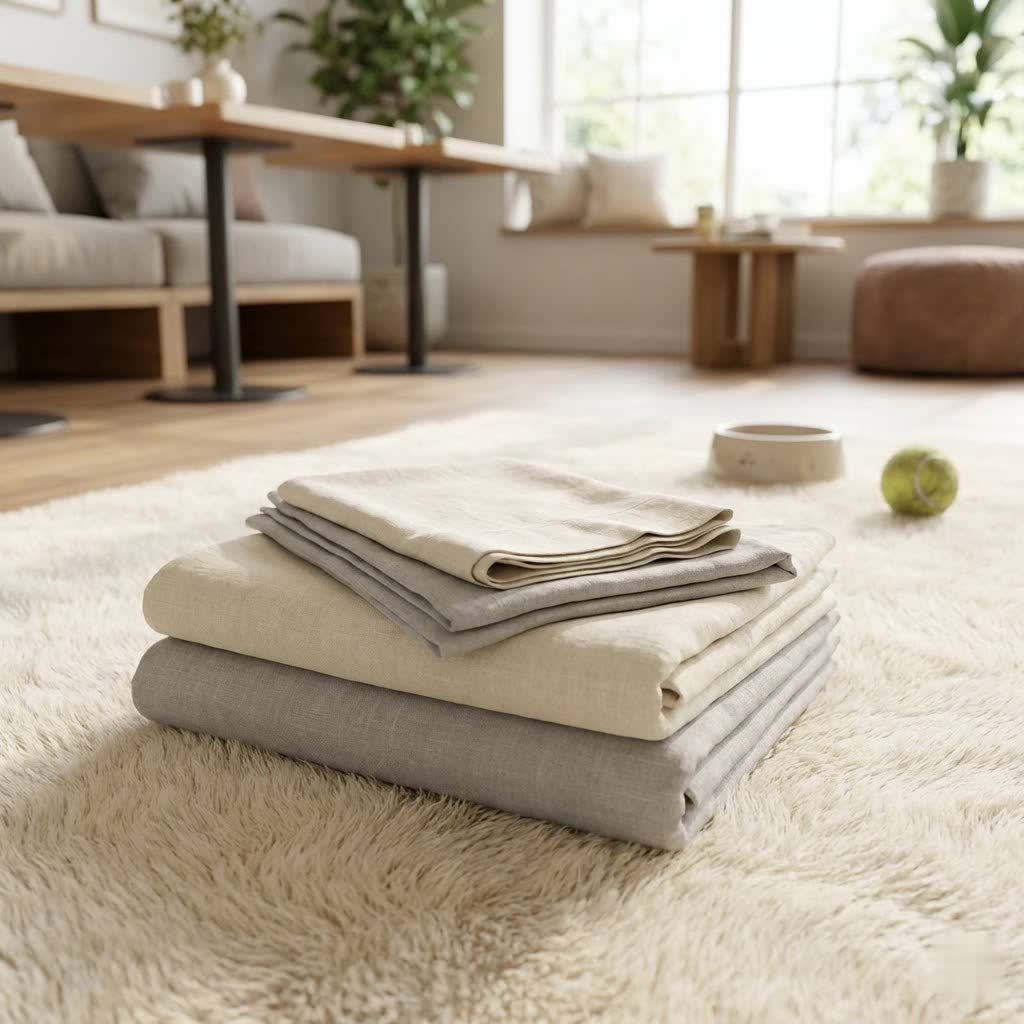
Have you ever considered how much your bed sheets impact the quality of your sleep? These seemingly simple layers are far more than just fabric; they are a crucial element in creating a sanctuary for rest and rejuvenation. From influencing your body temperature to protecting your mattress and enhancing your bedroom’s aesthetic, selecting the right bed sheets is an investment in your well-being. Whether you prioritize cooling comfort, luxurious softness, or durable, easy-care options, understanding the different types of bed sheets can transform your nightly routine into a deeply satisfying experience. Let’s dive into the world of bedding and discover how to choose the perfect sheets for your unique sleep needs.
What Are Bed Sheets? Why Are They Important?
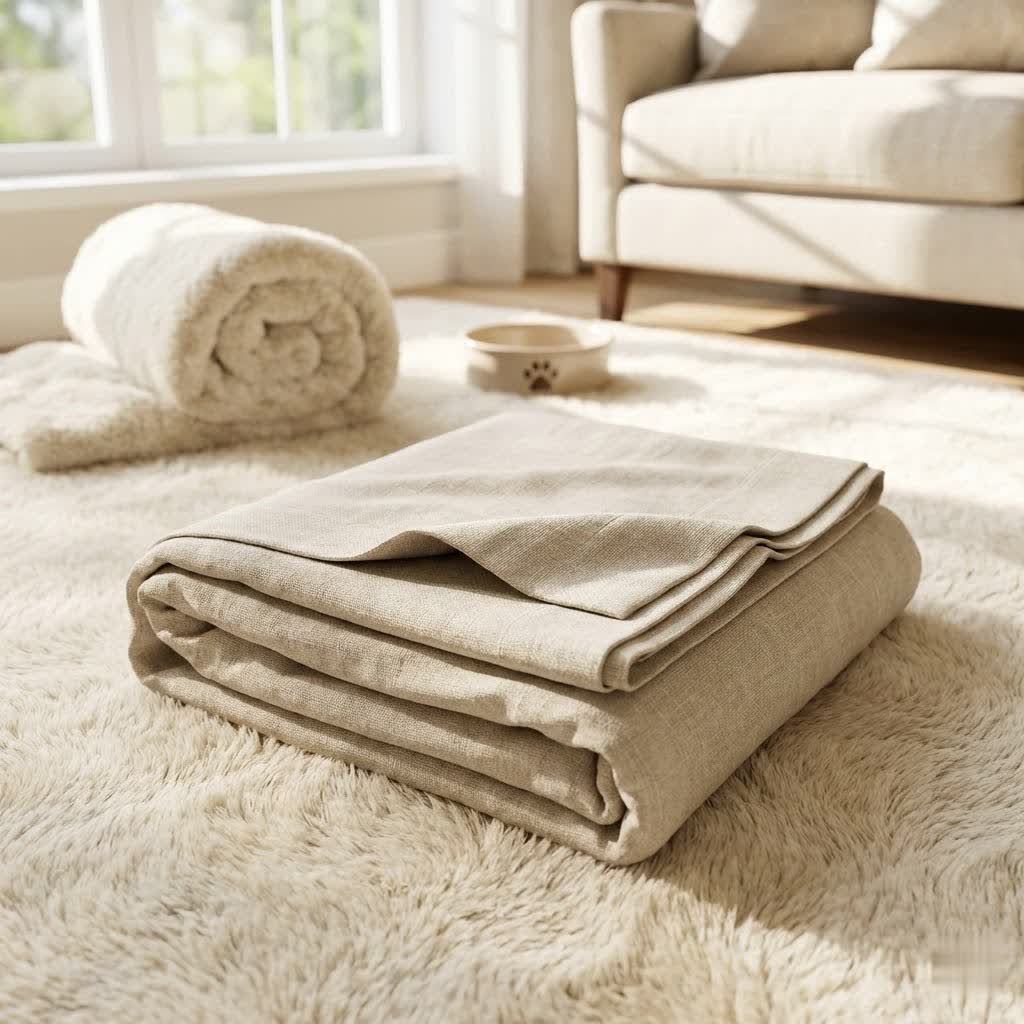
Bed sheets are fundamental components of any bedding ensemble, forming the layer that directly interacts with your mattress and your skin. Typically sold in sets, they usually include a fitted sheet, a flat sheet, and one or two pillowcases. The primary functions of bed sheets extend beyond mere decoration; they play a vital role in maintaining hygiene, protecting your mattress, and regulating your sleep environment.
A quality set of bed sheets provides a clean and soft barrier against your mattress, guarding it from dust, sweat, and oils, thus prolonging its lifespan. For you, the sleeper, they offer a comfortable surface that can significantly impact your body temperature and overall comfort throughout the night. Breathable materials can keep you cool in warmer months, while certain weaves can provide a cozier feel during colder seasons. Beyond comfort and protection, bed sheets contribute significantly to your bedroom’s aesthetic, adding color, texture, and style that can transform the entire look and feel of your personal space.
Popular Bed Sheet Types on the Market
The market offers a vast array of bed sheets, each designed with specific characteristics to cater to diverse preferences and needs. Understanding these variations, especially by material, size, and style, is key to making an informed choice.
Phân Loại Theo Chất Liệu (Classification by Material)
The material of your bed sheets dictates everything from their feel and breathability to their durability and care requirements.
- Cotton: The undisputed champion of bed sheet materials, cotton is celebrated for its softness, breathability, and durability. However, not all cotton is created equal.
- Egyptian Cotton: Known for its extra-long staple fibers, Egyptian cotton offers superior softness, strength, and resistance to pilling. It’s often considered the most luxurious and can be quite pricey.
- Pima Cotton (including Supima®): A close second to Egyptian cotton, Pima also features long-staple fibers, providing excellent softness and durability at a slightly more accessible price point.
- Upland Cotton: This short-staple cotton is the most common variety. Labels simply stating “100% cotton” typically refer to Upland cotton. While durable, it’s generally not as soft as Egyptian or Pima.
- Flannel: Made from cotton (or sometimes synthetic blends), flannel sheets are brushed to create a fuzzy nap, making them exceptionally warm and soft—perfect for cold weather. Flannel is measured by weight (GSM) rather than thread count.
- Jersey Cotton: Similar to the fabric of a favorite t-shirt, jersey sheets are knit rather than woven, offering stretchiness and a soft, casual feel. They are comfortable but may pill more easily and stretch out over time.
- Linen: Crafted from flax fibers, linen sheets are highly breathable, moisture-wicking, and naturally cooling, making them ideal for hot sleepers or warm climates. They possess a distinct, slightly textured feel that softens beautifully with each wash, and are known for their exceptional durability. Linen also has a charmingly relaxed, wrinkled appearance.
- Silk: The epitome of luxury, silk sheets are incredibly smooth, soft, and hypoallergenic. They are naturally temperature-regulating, feeling cool in summer and warm in winter. However, silk is delicate, requires specific care, and comes with a higher price tag.
- Polyester and Microfiber: These synthetic options are celebrated for their affordability, wrinkle resistance, and durability. Microfiber is essentially finely woven polyester, offering a softer touch than traditional polyester. While they are often easy to care for and resist stains (especially microfiber), they tend to be less breathable than natural fibers and can retain heat.
- Bamboo: An eco-friendly choice, bamboo sheets are known for being exceptionally soft, breathable, and moisture-wicking, often described as having a silky feel. They are naturally hypoallergenic and resistant to wrinkles, making them a great option for hot sleepers and those with sensitive skin.
|
Our Picks for the Best Bed Sheet in 2026
We may earn a commission when you use one of our links to make a purchase.
|
||
| Num | Product | Action |
|---|---|---|
| 1 | Utopia Bedding Queen Size Sheet Set – 4 Piece Bed Sheets, Soft and Breathable Microfiber, Includes 1 Fitted Sheet, 1 Flat Sheet and 2 Pillowcases – Oeko Tex (Grey) |

|
| 2 | Amazon Basics Lightweight Super Soft Easy Care Wrinkle Free Microfiber 3 Piece Bed Sheet Set with 14-Inch Deep Pockets, Twin, Navy Blue, Solid, Kids, Men & Women Bedding |
|
| 3 | Amazon Basics Lightweight Super Soft Easy Care Wrinkle Free Microfiber 3 Piece Bed Sheet Set with 14-Inch Deep Pockets, Twin, Beige, Solid, Kids, Men & Women Bedding |
|
| 4 | Amazon Basics Lightweight Super Soft Easy Care Wrinkle Free Microfiber 3 Piece Bed Sheet Set with 14-Inch Deep Pockets, Twin, Black, Solid, Kids, Men & Women Bedding |
|
| 5 | Amazon Basics Lightweight Super Soft, Wrinkle-Free Luxury Microfiber 4 Piece Bed Sheet Set with 14-Inch Deep Pockets, Full, Dark Gray, Solid |
|
| 6 | Amazon Basics Lightweight Super Soft Easy Care Wrinkle Free Microfiber 3 Piece Bed Sheet Set with 14-Inch Deep Pockets, Twin, Aqua Fern, Floral, Kids, Men & Women Bedding |
|
| 7 | Amazon Basics Lightweight Super Soft Easy Care Wrinkle Free Microfiber 3 Piece Bed Sheet Set with 14-Inch Deep Pockets, Twin, Dark Gray, Solid, Kids, Men & Women Bedding |
|
| 8 | Amazon Basics Lightweight Super Soft Easy Care Wrinkle Free Microfiber 3 Piece Bed Sheet Set with 14-Inch Deep Pockets, Twin, Blue Damask, Printed, Kids, Men & Women Bedding |
|
| 9 | Amazon Basics Lightweight Super Soft Easy Care Wrinkle Free Microfiber 3 Piece Bed Sheet Set with 14-Inch Deep Pockets, Twin, Aqua Squre Grid, Grid, Kids, Men & Women Bedding |
|
| 10 | Amazon Basics 4 Piece Microfiber Lightweight Wrinkle-free Breathable Bed Sheet Set, Super Soft Easy Care, 14" Deep Pockets, Queen, Bright White, Solid |
|
Phân Loại Theo Kích Cỡ (Classification by Size)
Bed sheets come in standard sizes designed to fit corresponding mattress dimensions. Accurate measurement of your mattress, especially its depth, is crucial to ensure a proper fit.
- Single (Twin): Typically for one person, suitable for smaller beds.
- Double (Full): Designed for one person who prefers more space, or two smaller individuals.
- Queen: A very popular size, offering comfortable space for two adults.
- King: Provides ample space for two adults, offering luxurious room.
- Super King (California King): A longer and slightly narrower alternative to the standard King, often preferred for taller individuals.
Phân Loại Theo Kiểu Dáng (Classification by Style)
A complete bed sheet set comprises several distinct components, each serving a specific purpose.
- Fitted Sheet: This sheet features elasticized edges that fit snugly around the mattress, providing a smooth, secure base for sleeping and protecting the mattress itself. It prevents shifting and bunching during the night.
- Flat Sheet (Top Sheet): Laid over the fitted sheet, the flat sheet acts as a barrier between the sleeper and any additional blankets, duvets, or comforters. It adds an extra layer of comfort and makes it easier to keep your top bedding clean, as flat sheets are typically washed more frequently than duvets. In some regions, a thin, napped cotton sheet might be referred to as a “blanket sheet” if it’s used as a light covering.
- Pillowcase: Designed to cover and protect pillows, pillowcases contribute to hygiene and the overall aesthetic of your bed. They come in various sizes to match standard, queen, or king pillows.
Detailed Comparison Table of Bed Sheet Materials
To help you choose, here’s a detailed comparison of popular bed sheet materials based on key criteria:
| Material | Breathability | Softness | Durability | Wrinkle Resistance | Price Range | Care Instructions | Ideal For |
|---|---|---|---|---|---|---|---|
| Cotton | Excellent | Soft to Very Soft | Good to Excellent | Moderate | Mid | Machine wash warm, tumble dry low (specifics vary by type) | Versatile, year-round use; various softness levels. |
| Egyptian/Pima | Excellent | Luxuriously Soft | Excellent | Good | High | Machine wash warm, tumble dry low | Luxury, sensitive skin, durability. |
| Flannel | Moderate | Very Soft | Good | Low | Mid | Machine wash warm/cold, gentle cycle, tumble dry low | Cold sleepers, winter. |
| Linen | Exceptional | Softens over time | Excellent | Low (intentional) | Mid-High | Machine wash warm/cold, gentle cycle, tumble dry low (air dry recommended) | Hot sleepers, warm climates, rustic aesthetic. |
| Silk | Excellent | Extremely Soft | Moderate | Good | High | Hand wash or delicate cycle cold, hang dry (dry clean for bedding) | Luxury, sensitive skin/hair, temperature regulation. |
| Polyester | Low to Moderate | Varies | Good | Excellent | Low | Machine wash cold/warm, tumble dry low | Budget-friendly, wrinkle-free, guest rooms. |
| Microfiber | Moderate | Soft | Good | Excellent | Low-Mid | Machine wash cold/warm, tumble dry low | Budget-friendly, kids’ rooms, stain resistance. |
| Bamboo | Excellent | Very Soft | Good | Good | Mid-High | Machine wash cold, gentle cycle, tumble dry low (avoid high heat) | Hot sleepers, sensitive skin, eco-conscious, silky feel. |
How to Choose the Right Bed Sheets (Buying Guide)
Selecting the perfect bed sheets involves more than just picking a color you like. Consider these factors to ensure your choice aligns with your lifestyle and sleep preferences.
Determine Your Needs
Start by evaluating what you value most in your bedding. Do you prioritize a cool and crisp feel for warmer nights, or a cozy, insulating embrace for colder seasons? Are you prone to allergies or have sensitive skin, requiring hypoallergenic materials? Is durability and ease of care a top concern for a busy household, or are you seeking a luxurious indulgence? Clearly defining these priorities will narrow down your options significantly.
Choose the Right Material
Based on your needs, consult the material comparison table above. For example, hot sleepers will benefit from breathable materials like cotton percale, linen, or bamboo, which excel at moisture-wicking and air circulation. If you often feel cold, flannel or sateen cotton can provide the warmth and softness you crave. For sensitive skin or hair, silk or bamboo offer gentle, smooth surfaces.
Select the Correct Size
Always measure your mattress’s length, width, and depth before purchasing. While standard sizes (Twin, Queen, King) are common, mattress depths can vary significantly. A fitted sheet with a generous pocket depth (e.g., 15-18 inches) will ensure it stays securely in place on thicker mattresses or those with toppers.
Check Stitching and Finish Quality
Inspect the bed sheets closely for quality craftsmanship. Look for tight, even stitching, especially around the elasticized edges of fitted sheets. Avoid loose threads, uneven hems, or any signs of fabric imperfections. High-quality sheets will feel substantial and smooth, indicating a good weave and durable construction that will withstand regular washing.
Consider Brand and Reputation
Opting for reputable brands often ensures a higher standard of quality and customer service. Read online reviews from other users to gauge satisfaction with specific products and materials. This real-world feedback can offer invaluable insights into how sheets perform over time, their actual feel, and how they hold up to washing.
Top Bed Sheet Features for a Dreamy Sleep
While we can’t recommend specific products, understanding the features that make bed sheets highly favored can guide your purchase. Many top-rated sheets excel in categories like temperature regulation, exceptional softness, and enduring quality. Look for terms like “extra-long staple cotton” for unparalleled smoothness and durability, or “cooling technology” in bamboo or Tencel blends for warm sleepers. Breathable weaves like percale are often praised for their crisp, fresh feel, while sateen offers a silky, luxurious drape. The best sheets are those that align perfectly with your personal comfort preferences, offering a blend of material excellence and thoughtful construction to promote a truly restful night.
How to Clean and Care for Bed Sheets Properly
Proper care is essential to extending the lifespan and maintaining the luxurious feel of your bed sheets. While specific instructions may vary by material, a few general guidelines apply.
Always refer to the care label on your sheets, as it provides the most accurate instructions for washing and drying. In general, machine wash sheets in cold or warm water with a gentle detergent, avoiding harsh chemicals like bleach, which can damage fibers and fade colors. Wash sheets separately from other laundry items like towels, which can cause friction and pilling. For drying, tumble dry on a low heat setting or, ideally, air dry. High heat can shrink fibers, weaken elastic, and contribute to wrinkling. Remove sheets promptly from the dryer to minimize wrinkles. When not in use, store your clean, dry sheets in a cool, dark, and well-ventilated space to prevent mildew or discoloration.
“A good set of bed sheets is more than just fabric; it’s a foundation for restorative sleep. Investing in quality bedding means investing in your health, mood, and overall daily performance.” – Dr. Eleanor Vance, Sleep Specialist.
Conclusion
Choosing the right bed sheets is a personal journey that significantly impacts your sleep quality and overall well-being. By understanding the diverse materials, sizes, and styles available, and considering your individual preferences for comfort, climate, and care, you can make an informed decision. Remember that a great night’s sleep begins with the layers closest to you. Invest in sheets that breathe, feel soft against your skin, and complement your bedroom’s ambiance. When you prioritize these elements, you’re not just buying bedding; you’re creating an inviting haven where deep, restful sleep becomes a nightly reality.
What essential quality do you look for first when choosing new bed sheets for your home?
Câu Hỏi Thường Gặp (Frequently Asked Questions)
Which bed sheet material is best for hot sleepers?
For hot sleepers, materials known for their breathability and moisture-wicking properties are ideal. Cotton percale, linen, and bamboo are excellent choices as they allow air to circulate freely and draw moisture away from the body, helping you stay cool and comfortable throughout the night.
How often should I wash my bed sheets?
It is generally recommended to wash your bed sheets at least once a week. Regular washing helps remove accumulated sweat, body oils, dead skin cells, and dust mites, promoting better hygiene and a fresher sleeping environment. If you have allergies, pets, or sweat excessively, you might consider washing them more frequently.
How can I remove stubborn stains from my bed sheets?
For stubborn stains, act quickly. First, consult the care label for material-specific advice. For most washable sheets, pretreat the stain with a stain remover or a paste of baking soda and water. Allow it to sit for 15-30 minutes before washing the sheets in the warmest water safe for the fabric, repeating if necessary before drying.