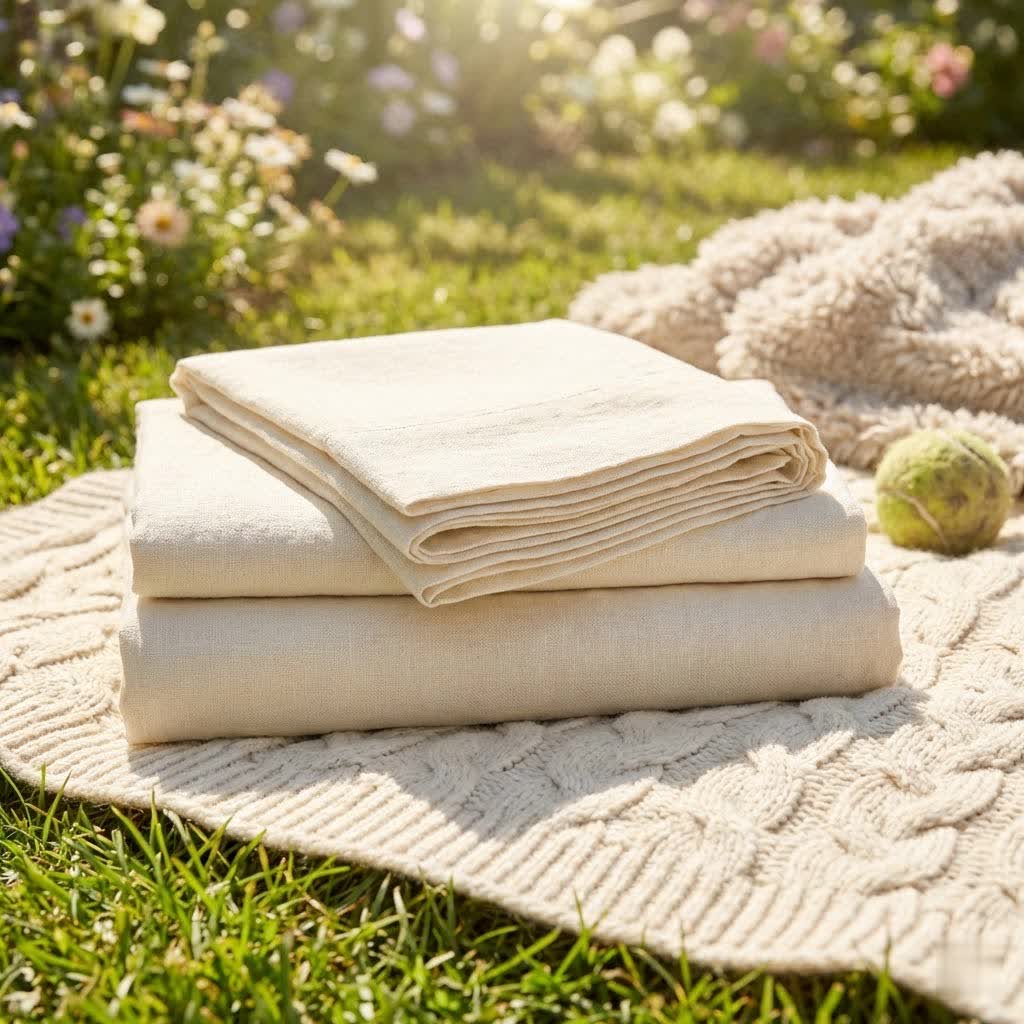
Choosing the right bed sheet fabric is crucial for optimal sleep comfort, as it directly impacts temperature regulation, skin health, and overall sleep quality. The ideal bed sheet fabric depends on individual sleep style, climate, and personal preferences, with popular options including cotton, linen, bamboo, silk, and polyester, each offering unique benefits in terms of breathability, softness, durability, and care requirements.
What is Bed Sheet Fabric and Why Does it Matter?
Bed sheet fabric refers to the material used to make your sheets, encompassing everything from natural fibers like cotton and linen to synthetics like polyester. Far more than just a decorative element, the fabric of your bed sheets plays a critical role in your overall sleep experience. It directly impacts comfort, temperature regulation, skin health, and the longevity of your bedding. A high-quality fabric can wick away moisture, allow your skin to breathe, and prevent allergens, contributing to deeper, more restorative sleep. Choosing wisely ensures not only aesthetic appeal but also a healthier, more comfortable sleep environment. For expert bed sheets reviews on this site.
Popular Bed Sheet Fabric Types
Understanding the different bed sheet fabrics is the first step to finding your ideal set. Each material offers a unique blend of properties that cater to various needs and preferences.
Cotton
Cotton remains the undisputed champion of bed sheet fabrics, celebrated for its versatility, breathability, and natural softness. It’s a durable fiber that tends to get softer with each wash, making it a long-lasting investment. However, “cotton” isn’t a single entity; its quality and feel can vary significantly based on the cotton plant’s staple length and how it’s woven.
- Egyptian Cotton: Renowned for its extra-long staple fibers, Egyptian cotton produces exceptionally soft, strong, and lustrous sheets. It’s highly breathable and resistant to pilling, offering a luxurious, hotel-like feel.
- Pima/Supima Cotton: A close second to Egyptian cotton, Pima (and its trademarked American version, Supima) also features long-staple fibers, resulting in very soft, durable, and pill-resistant sheets at a slightly more accessible price point than Egyptian cotton.
- Upland Cotton: This short-staple cotton is the most common and generally what you get when a label simply says “100% cotton.” While still breathable and durable, it’s typically not as soft or smooth as its longer-staple counterparts.
Common Cotton Weaves:
- Percale: Characterized by a crisp, matte finish and a one-over-one-under weave, percale sheets are breathable and cool, making them ideal for hot sleepers and warmer climates. They have a fresh, starched shirt feel.
- Sateen: Using a one-under, three-or-four-over weave, sateen sheets boast a smooth, silky, and lustrous surface. They feel incredibly soft and drape beautifully but are generally warmer and slightly less breathable than percale.
- Flannel: Cotton flannel sheets are brushed to create a fuzzy, napped surface that traps air, providing exceptional warmth and coziness. They are perfect for cold climates or winter months.
- Jersey: Similar to your favorite T-shirt, jersey sheets are knit rather than woven, resulting in a soft, stretchy, and casual feel. While comfortable, they can pill over time and may not be as durable as woven cotton.
Linen
|
Our Picks for the Best Bed Sheet in 2026
As an Amazon Associate I earn from qualifying purchases.
|
||
| Num | Product | Action |
|---|---|---|
| 1 | Amazon Basics Lightweight Super Soft Easy Care Wrinkle Free Microfiber 3 Piece Bed Sheet Set with 14-Inch Deep Pockets, Twin, Dark Gray, Solid, Kids, Men & Women Bedding |

|
| 2 | Amazon Basics Lightweight Super Soft Easy Care Wrinkle Free Microfiber 3 Piece Bed Sheet Set with 14-Inch Deep Pockets, Twin, Aqua Fern, Floral, Kids, Men & Women Bedding |
|
| 3 | Amazon Basics Lightweight Super Soft, Wrinkle-Free Luxury Microfiber 4 Piece Bed Sheet Set with 14-Inch Deep Pockets, Full, Dark Gray, Solid |
|
| 4 | Utopia Bedding Queen Size Sheet Set – 4 Piece Bed Sheets, Soft and Breathable Microfiber, Includes 1 Fitted Sheet, 1 Flat Sheet and 2 Pillowcases – Oeko Tex (Grey) |
|
| 5 | Amazon Basics Lightweight Super Soft Easy Care Wrinkle Free Microfiber 3 Piece Bed Sheet Set with 14-Inch Deep Pockets, Twin, Blue Damask, Printed, Kids, Men & Women Bedding |
|
| 6 | Amazon Basics Lightweight Super Soft Easy Care Wrinkle Free Microfiber 3 Piece Bed Sheet Set with 14-Inch Deep Pockets, Twin, Black, Solid, Kids, Men & Women Bedding |
|
| 7 | Amazon Basics 4 Piece Microfiber Lightweight Wrinkle-free Breathable Bed Sheet Set, Super Soft Easy Care, 14" Deep Pockets, Queen, Bright White, Solid |
|
| 8 | Amazon Basics Lightweight Super Soft Easy Care Wrinkle Free Microfiber 3 Piece Bed Sheet Set with 14-Inch Deep Pockets, Twin, Navy Blue, Solid, Kids, Men & Women Bedding |
|
| 9 | Amazon Basics Lightweight Super Soft Easy Care Wrinkle Free Microfiber 3 Piece Bed Sheet Set with 14-Inch Deep Pockets, Twin, Beige, Solid, Kids, Men & Women Bedding |
|
| 10 | Amazon Basics Lightweight Super Soft Easy Care Wrinkle Free Microfiber 3 Piece Bed Sheet Set with 14-Inch Deep Pockets, Twin, Aqua Squre Grid, Grid, Kids, Men & Women Bedding |
|
Made from the flax plant, linen is a highly breathable and durable natural fiber, cherished for its distinctive textured feel and relaxed aesthetic.
- Pros: Exceptional breathability and cooling properties, making it perfect for hot sleepers and warm climates. It’s also incredibly durable, becoming softer and more pliable with every wash. Linen is naturally hypoallergenic and eco-friendly due to the flax plant’s minimal water and pesticide requirements.
- Cons: Linen sheets can initially feel stiffer and are prone to wrinkling, which some find adds to its charm, while others may prefer a smoother look. They typically come with a higher price tag than most cotton options.
Bamboo (Rayon from Bamboo, Lyocell, Tencel™)
Bamboo sheets have surged in popularity due to their silky softness and sustainable origins. Most bamboo sheets are made from rayon or lyocell derived from bamboo pulp.
- Pros: Known for being luxuriously soft, often compared to silk, and possessing excellent moisture-wicking and thermo-regulating properties, keeping you cool and dry. Bamboo is naturally hypoallergenic, making it a good choice for sensitive skin and allergy sufferers. It’s also considered more eco-friendly than conventional cotton due to faster growth and less water usage.
- Cons: The processing of bamboo into rayon can involve harsh chemicals, though lyocell (like Tencel™) uses a more environmentally friendly closed-loop process. Bamboo sheets can be more delicate and may require specific care to maintain their integrity.
Silk
The epitome of luxury, silk bed sheets are derived from the cocoons of silkworms, offering an unparalleled smooth and soft experience.
- Pros: Incredibly smooth, soft, and gentle on both skin and hair, reducing friction that can cause wrinkles or hair damage. Silk is naturally hypoallergenic, resistant to dust mites, and excellent at regulating temperature—cool in summer and warm in winter.
- Cons: Silk sheets are typically the most expensive option and require delicate care, often hand-washing or dry cleaning, to maintain their luxurious properties and longevity.
Polyester & Microfiber
Polyester is a synthetic fabric, and microfiber is a type of polyester woven into extremely fine threads. They offer practical benefits at a lower cost.
- Pros: These fabrics are very affordable, durable, and highly wrinkle-resistant, making them low-maintenance options. Microfiber, in particular, can feel soft and cozy due to its fine fibers.
- Cons: Polyester and microfiber are generally less breathable than natural fibers, which can lead to heat retention and discomfort for hot sleepers. They can also absorb oils, making certain stains harder to remove, and may not be ideal for sensitive skin due to potential chemical treatments.
Detailed Comparison of Bed Sheet Fabrics
To help you navigate your choices, here’s a comparative overview of popular bed sheet fabrics:
| Feature | Cotton (Percale) | Cotton (Sateen) | Linen | Bamboo (Lyocell) | Silk | Polyester / Microfiber |
|---|---|---|---|---|---|---|
| Breathability | High | Medium | Very High | High | High | Low |
| Softness | Crisp, smooth | Silky, buttery smooth | Textured, softens with washes | Silky, very soft | Extremely smooth, luxurious | Soft, plush (microfiber) |
| Durability | High | Medium-High | Very High | Medium-High | Medium | High |
| Wrinkle Resistance | Low | Medium-High | Low (naturally wrinkled look) | High | Medium | High |
| Price | Moderate | Moderate-High | High | High | Very High | Low |
| Best For | Hot sleepers, crisp feel | Cooler sleepers, luxurious feel | Hot sleepers, rustic appeal | Hot sleepers, sensitive skin | Luxury, skin/hair benefits | Budget-conscious, low maintenance |
| Care | Easy (machine wash/dry) | Easy (machine wash/dry) | Moderate (can machine wash, air dry recommended) | Moderate (gentle wash, low tumble dry) | Delicate (hand wash/dry clean recommended) | Easy (machine wash/dry) |
“A good set of bed sheets can profoundly impact your sleep quality, influencing everything from skin health to overall well-being.”
How to Choose the Perfect Bed Sheet Fabric
Selecting the right bed sheet fabric involves considering several personal factors. Your ideal choice will align with your individual needs and preferences.
Assess Your Sleeping Style & Climate
Your body’s natural temperature and your local climate are crucial considerations.
- Hot Sleepers / Warm Climates: Opt for highly breathable and moisture-wicking fabrics like linen, percale cotton, or bamboo. These materials allow air to circulate freely, helping to dissipate body heat and keep you cool and dry throughout the night.
- Cold Sleepers / Cool Climates: Choose fabrics that offer warmth and insulation, such as flannel or sateen cotton. These materials tend to trap heat, providing a cozy and warm sleeping surface.
Consider Skin Sensitivities & Allergies
If you have sensitive skin, eczema, or allergies, selecting hypoallergenic fabrics free from harsh chemicals is paramount.
- Bamboo, silk, organic cotton, and linen are excellent choices as they are naturally hypoallergenic and less likely to irritate sensitive skin or harbor common allergens like dust mites. Polyester and microfiber can sometimes contain chemical treatments that may not be suitable for very sensitive skin.
Evaluate Maintenance Needs
Consider how much effort you’re willing to put into caring for your sheets.
- Low Maintenance: Standard cotton, polyester, and microfiber are generally machine-washable and dryer-friendly, requiring minimal fuss.
- Moderate Maintenance: Linen and bamboo often benefit from gentle cycles and lower heat drying or air drying to preserve their quality and feel over time.
- Delicate Maintenance: Silk typically requires the most careful washing, often hand-washing or professional dry cleaning, due to its delicate fibers.
Set Your Budget
Bed sheet fabrics range widely in price, from budget-friendly to high-end luxury.
- Affordable: Microfiber and standard Upland cotton offer comfortable and durable options without breaking the bank.
- Mid-Range: Percale and sateen cotton (especially Pima/Supima) provide an excellent balance of quality, comfort, and price.
- Premium/Luxury: Egyptian cotton, linen, bamboo, and silk represent a higher investment, but often offer superior comfort, durability, and specific benefits that can justify the cost in the long run.
Understand Weaves, Thread Count, and Ply
Don’t let marketing jargon mislead you. Beyond the raw material, how the fabric is constructed significantly affects its feel and performance.
- Weave: The pattern in which threads are interlaced. Percale offers a crisp feel, while sateen is smooth and lustrous. Other weaves like twill provide durability, and jersey offers stretch.
- Thread Count (TC): Refers to the number of threads woven into one square inch of fabric. While higher thread counts often imply softness and durability, quality of fiber is more important. An ideal range for most high-quality sheets is between 200 and 800 TC. Be wary of excessively high thread counts (e.g., 1000+) which can sometimes indicate multi-ply threads made from lower quality fibers.
- Ply: Refers to the number of individual yarns twisted together to make a single thread. Single-ply threads, made from longer, stronger fibers, generally result in softer, more durable sheets than multi-ply threads, which can sometimes be used to artificially inflate thread count with shorter, coarser fibers.
Prioritize Aesthetics & Texture
Finally, consider the visual appeal and desired tactile experience.
- Do you prefer the casual, slightly wrinkled look of linen? The smooth, polished sheen of sateen? Or the crisp, matte finish of percale? Your bed sheets are a prominent feature in your bedroom, and their texture and appearance contribute significantly to the overall ambiance.
Top Recommended Bed Sheet Fabrics for Diverse Needs
Based on versatility, performance, and user satisfaction, here are a few top fabric recommendations:
- For All-Around Comfort & Durability: Pima or Egyptian Cotton (Percale or Sateen weave). These options provide excellent softness, breathability, and durability, suiting most sleepers year-round.
- For Hot Sleepers & Warm Climates: Linen or Percale Cotton. Both offer superior breathability and a cooling effect, ensuring a comfortable night even in heat.
- For Sensitive Skin & Eco-Conscious Buyers: Bamboo (Lyocell) or Organic Cotton. These materials are naturally hypoallergenic, gentle, and produced with an emphasis on sustainability.
Caring for Your Bed Sheets: Tips for Longevity
Proper care can significantly extend the life and maintain the luxurious feel of your bed sheets. Always check the specific care label, but here are some general guidelines:
- Wash Regularly: Aim to wash sheets every one to two weeks to remove oils, sweat, and allergens.
- Use Cold or Warm Water: Cold water generally helps preserve colors and prevent shrinking, while warm water is effective for sanitizing. Avoid hot water, especially for delicate fabrics.
- Gentle Detergent: Use a mild, pH-neutral detergent. Avoid harsh chemicals, bleach, and fabric softeners, which can degrade fibers over time and reduce absorbency.
- Tumble Dry Low or Air Dry: High heat can damage fibers and cause excessive shrinking. Tumble dry on a low setting or, ideally, air dry. Line drying is excellent for linen and provides a natural freshness.
- Store Properly: Ensure sheets are completely dry before folding and storing them in a cool, dry place to prevent mildew.
Conclusion
Choosing the right bed sheet fabric is an investment in your sleep, comfort, and overall well-being. By understanding the unique properties of cotton, linen, bamboo, silk, polyester, and microfiber, alongside crucial factors like weave, thread count, and your personal sleep needs, you can make an informed decision that transforms your bedroom into a sanctuary. the perfect bed sheet fabric is one that harmonizes with your body’s temperature, pampers your skin, and fits seamlessly into your lifestyle. So, take the time to explore your options, and you’ll be well on your way to enjoying the deep, restorative sleep you deserve.
Which bed sheet fabric are you most excited to try next, and what’s the one feature you prioritize above all else for a good night’s sleep?
Frequently Asked Questions
Frequently Asked Questions
Which bed sheet fabric is best for hot sleepers?
For hot sleepers, linen and percale cotton are highly recommended due to their exceptional breathability and cooling properties. Linen offers a natural cooling effect, while percale cotton provides a crisp, cool feel with excellent airflow. Bamboo (Lyocell) is also a great option, known for its moisture-wicking and thermoregulating benefits.
How often should I wash my bed sheets?
It is generally recommended to wash your bed sheets every one to two weeks. Regular washing removes accumulated sweat, body oils, dead skin cells, and allergens, contributing to a cleaner and healthier sleep environment. Individuals with allergies or pets may benefit from more frequent washing.
How can I remove stubborn stains from my bed sheets?
To remove stubborn stains, act quickly by pre-treating the area with a stain remover or a mixture of detergent and water for 15-30 minutes before washing. For specific stains like oil, use a degreasing agent, and for blood, use cold water. Always check the fabric care label and test any new product on an inconspicuous area first.
What is the ideal thread count for quality bed sheets?
An ideal thread count for most high-quality bed sheets ranges between 200 and 800 TC. While higher thread counts often suggest softness and durability, the quality of the fiber is more important than the number itself. Be cautious of excessively high thread counts (e.g., 1000+) as they can sometimes indicate multi-ply threads made from lower quality fibers.
Are bamboo sheets truly eco-friendly?
Bamboo sheets are considered more eco-friendly than conventional cotton due to bamboo's faster growth and minimal water usage. However, the processing of bamboo into rayon can involve harsh chemicals. Lyocell, like Tencelu2122, uses a more environmentally friendly closed-loop process, making it a better choice for eco-conscious buyers.
How to Choose the Perfect Bed Sheet Fabric
Selecting the right bed sheet fabric involves considering your sleeping style, climate, skin sensitivities, maintenance needs, budget, and aesthetic preferences to ensure optimal comfort and longevity.
Determine if you are a hot or cold sleeper and consider your local climate. Hot sleepers and those in warm climates should opt for breathable, moisture-wicking fabrics like linen, percale cotton, or bamboo. Cold sleepers or those in cool climates will benefit from warmer, insulating fabrics such as flannel or sateen cotton.
If you have sensitive skin or allergies, prioritize hypoallergenic fabrics free from harsh chemicals. Bamboo, silk, organic cotton, and linen are excellent choices as they are naturally hypoallergenic and less likely to irritate skin or harbor dust mites. Avoid polyester and microfiber if you have very sensitive skin due to potential chemical treatments.
Consider how much effort you are willing to put into caring for your sheets. Standard cotton, polyester, and microfiber are low maintenance, while linen and bamboo require moderate care. Silk is the most delicate and often requires hand-washing or dry cleaning. Set a budget, as prices range from affordable microfiber to premium Egyptian cotton, linen, bamboo, and silk.
Beyond the raw material, the fabric's construction affects its feel and performance. Percale offers a crisp feel, while sateen is smooth and lustrous. An ideal thread count for high-quality sheets is between 200 and 800 TC, with single-ply threads generally resulting in softer, more durable sheets than multi-ply.
Finally, consider the visual appeal and desired tactile experience. Do you prefer the casual, slightly wrinkled look of linen, the smooth sheen of sateen, or the crisp finish of percale? The texture and appearance of your bed sheets significantly contribute to your bedroom's overall ambiance and your personal comfort.
Get our weekly buyer guide
Practical specs, not advice. Unsubscribe anytime.

I’ve always stuck with basic cotton sheets, but I was curious about the benefits of silk for skin health. I splurged on a silk pillowcase and it’s surprisingly nice. My hair feels less frizzy in the morning, and it feels so luxurious. I’m considering getting a full set of silk sheets now, even though they’re a bit pricey.
My husband and I have different temperature preferences at night, which makes choosing sheets tricky. We tried a blend with Tencel and it’s been perfect. It’s soft, breathable, and seems to regulate temperature really well for both of us. No more fighting over the thermostat!
I decided to try linen sheets after reading about their durability and breathability. While they are definitely cool, I found them to be a bit too wrinkly for my liking, even after careful washing. The texture is also a little rougher than I expected compared to my old cotton percale. They’re okay, but I might go back to cotton next time.
I used to wake up sweating every night, even with the AC on. Switching to bamboo sheets, as suggested for hot sleepers, has been a game changer. They feel incredibly soft and cool, and I’m finally sleeping through the night without overheating. Definitely worth the investment for anyone struggling with night sweats.