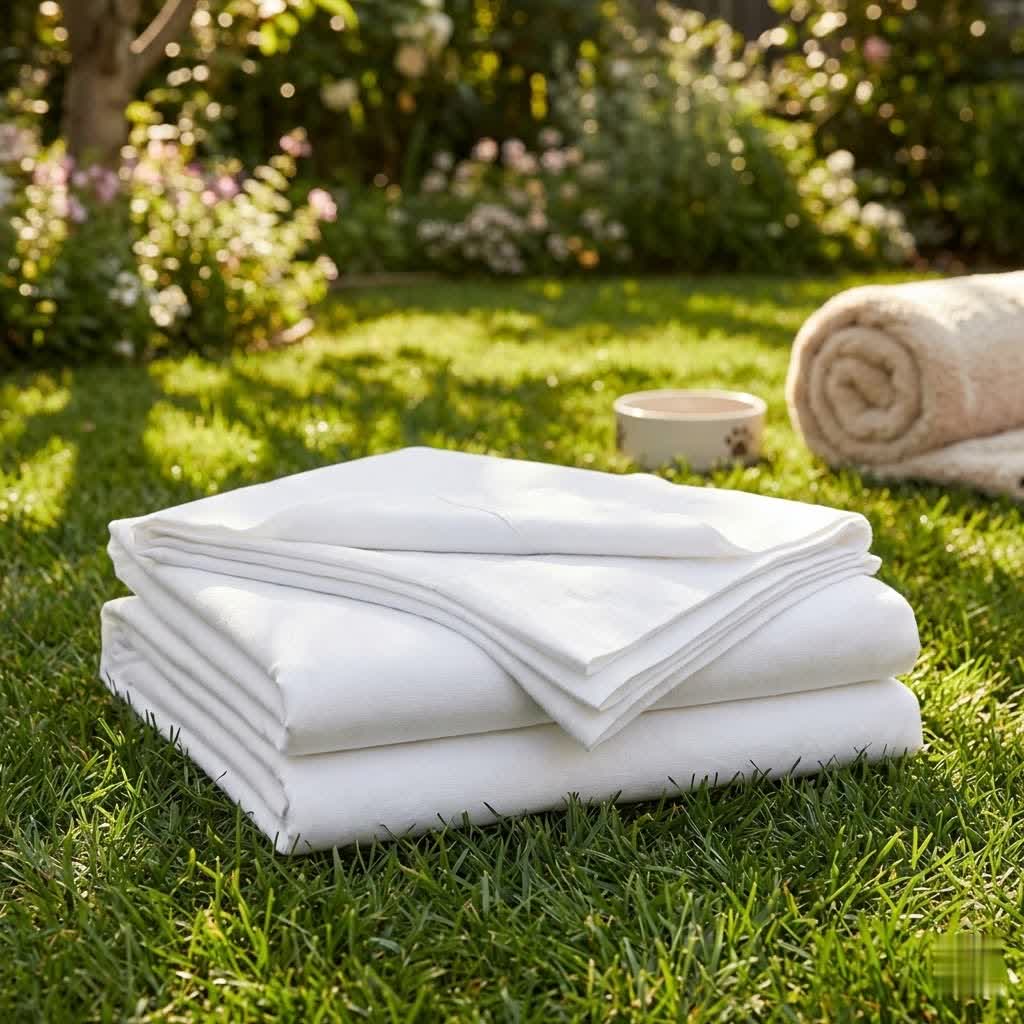
Bed sheet prices vary significantly, ranging from approximately $10 for a queen-size microfiber set to over $1000 for high-quality silk, primarily influenced by material quality, thread count, size, weave, brand reputation, and manufacturing processes. Understanding these factors helps consumers make informed choices that balance comfort, durability, and budget for enhanced sleep.
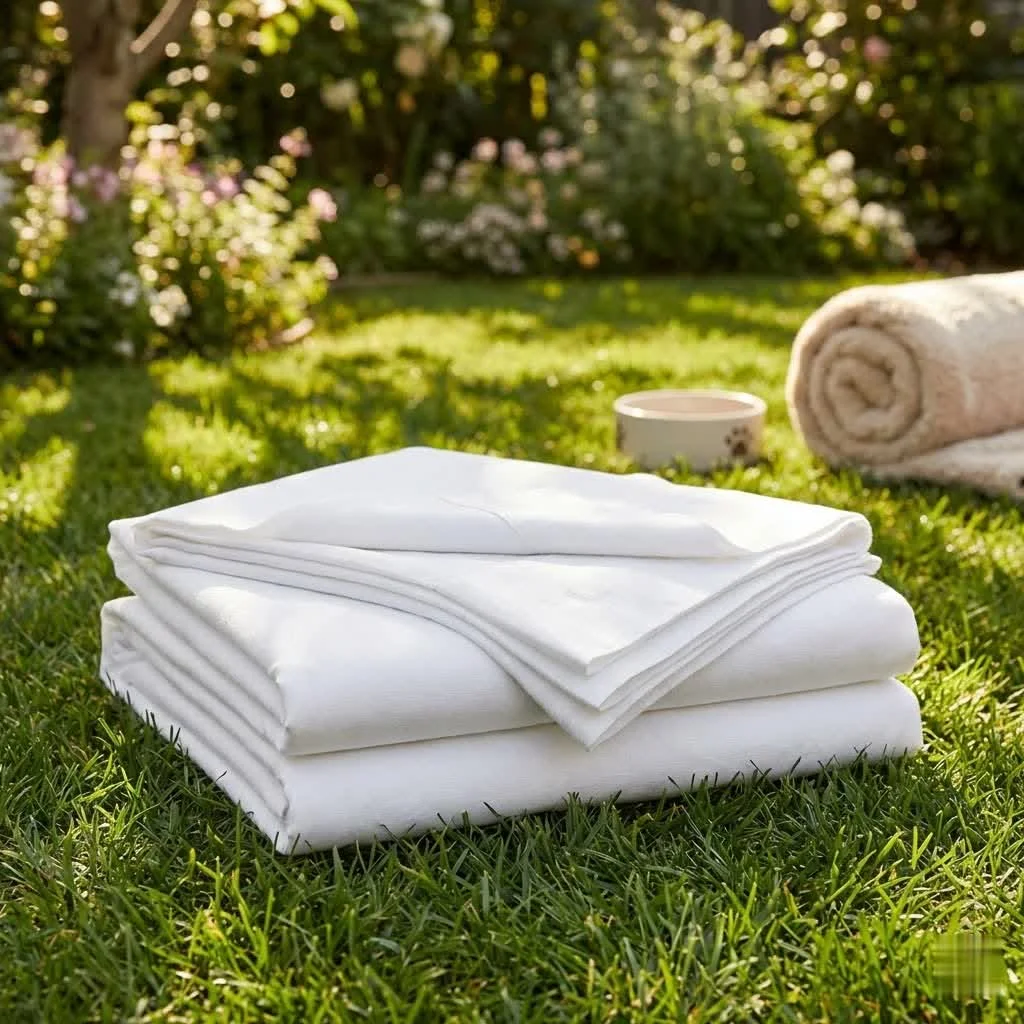
Understanding Bed Sheet Prices: More Than Just a Number
Bed sheet prices are influenced by a complex interplay of factors, going far beyond a simple dollar figure. It’s not merely about covering your mattress; quality bed sheets contribute significantly to your sleep comfort, the health of your skin, and the overall aesthetic appeal of your bedroom. Investing wisely in your bedding means recognizing what truly drives these costs and how those elements translate into a tangible improvement in your daily well-being. Understanding this value proposition is vital for making an educated purchase. For expert bed sheets reviews on this site.
The Various Types of Bed Sheets and Their Price Implications
The material and construction of bed sheets are the most significant determinants of their price. Each fabric offers unique characteristics that affect cost, comfort, and durability.
Material Quality: The Primary Driver of Cost
The fiber from which your sheets are woven is undoubtedly the most influential factor in their price. Different materials offer distinct qualities, reflected in their cost.
- Cotton: Cotton remains a timeless favorite, offering breathability and softness.
- Standard Cotton (Percale/Sateen): Sheets made from conventional cotton, often in percale (crisp, matte finish) or sateen (smooth, lustrous finish) weaves, are widely available and can range from approximately $20 to $150 per queen set. They provide reliable comfort and durability for everyday use.
- Egyptian Cotton, Pima Cotton, Supima Cotton: These varieties command premium pricing, typically from $100 to over $500 per queen set. What makes them special are their extra-long staple fibers, which produce exceptionally soft, strong, and durable yarns that resist pilling and actually become softer with each wash. This superior raw material and meticulous processing naturally drive up their cost.
- Linen: With a price range often between $100 and $400+ for a queen set, linen sheets are celebrated for their incredible breathability and rustic, lived-in texture. Made from flax fibers, they are highly durable and known to soften beautifully over time, aging gracefully and providing excellent temperature regulation, especially for warmer climates.
- Silk: The epitome of luxury, silk sheets typically start around $100 and can soar above $1,000 for high-quality queen sets. Their exceptionally smooth, cool, and lustrous feel is unparalleled. Silk is also naturally hypoallergenic and excellent for sensitive skin and hair, though it requires delicate care and is often less durable than other materials if not properly maintained.
- Polyester & Microfiber: These synthetic options are among the most budget-friendly, usually ranging from $10 to $70+ for a queen set. They are known for their durability, wrinkle resistance, and softness. However, polyester and microfiber can sometimes lack the breathability of natural fibers, potentially leading to a warmer sleep experience.
- Bamboo (Viscose/Lyocell): Falling into the mid to high price range ($70-$300+ for a queen set), bamboo sheets are incredibly soft, silky, and highly breathable. They are renowned for their moisture-wicking and temperature-regulating properties, making them ideal for hot sleepers. Bamboo is also often marketed as an eco-friendly option due to its sustainable growth.
- TENCEL™ (Lyocell from Eucalyptus): Similar to bamboo in price ($70-$350+ for a queen set), TENCEL™ sheets offer a silky smooth texture and exceptional moisture management. Derived from sustainably sourced wood pulp, TENCEL™ is highly breathable and a great choice for those seeking both comfort and environmental responsibility.
Thread Count: A Misunderstood Metric in Pricing
|
Our Picks for the Best Bed Sheet in 2026
As an Amazon Associate I earn from qualifying purchases.
|
||
| Num | Product | Action |
|---|---|---|
| 1 | Amazon Basics Lightweight Super Soft Easy Care Wrinkle Free Microfiber 3 Piece Bed Sheet Set with 14-Inch Deep Pockets, Twin, Dark Gray, Solid, Kids, Men & Women Bedding |

|
| 2 | Amazon Basics Lightweight Super Soft, Wrinkle-Free Luxury Microfiber 4 Piece Bed Sheet Set with 14-Inch Deep Pockets, Full, Dark Gray, Solid |
|
| 3 | Amazon Basics 4 Piece Microfiber Lightweight Wrinkle-free Breathable Bed Sheet Set, Super Soft Easy Care, 14" Deep Pockets, Queen, Bright White, Solid |
|
| 4 | Amazon Basics Lightweight Super Soft Easy Care Wrinkle Free Microfiber 3 Piece Bed Sheet Set with 14-Inch Deep Pockets, Twin, Aqua Fern, Floral, Kids, Men & Women Bedding |
|
| 5 | Amazon Basics Lightweight Super Soft Easy Care Wrinkle Free Microfiber 3 Piece Bed Sheet Set with 14-Inch Deep Pockets, Twin, Blue Damask, Printed, Kids, Men & Women Bedding |
|
| 6 | Amazon Basics Lightweight Super Soft Easy Care Wrinkle Free Microfiber 3 Piece Bed Sheet Set with 14-Inch Deep Pockets, Twin, Navy Blue, Solid, Kids, Men & Women Bedding |
|
| 7 | Amazon Basics Lightweight Super Soft Easy Care Wrinkle Free Microfiber 3 Piece Bed Sheet Set with 14-Inch Deep Pockets, Twin, Black, Solid, Kids, Men & Women Bedding |
|
| 8 | Amazon Basics Lightweight Super Soft Easy Care Wrinkle Free Microfiber 3 Piece Bed Sheet Set with 14-Inch Deep Pockets, Twin, Aqua Squre Grid, Grid, Kids, Men & Women Bedding |
|
| 9 | Amazon Basics Lightweight Super Soft Easy Care Wrinkle Free Microfiber 3 Piece Bed Sheet Set with 14-Inch Deep Pockets, Twin, Beige, Solid, Kids, Men & Women Bedding |
|
| 10 | Utopia Bedding Queen Size Sheet Set – 4 Piece Bed Sheets, Soft and Breathable Microfiber, Includes 1 Fitted Sheet, 1 Flat Sheet and 2 Pillowcases – Oeko Tex (Grey) |
|
You’ve likely heard “thread count” associated with luxury bedding, but it’s a frequently misunderstood metric in pricing. Thread count refers to the number of horizontal and vertical threads woven into one square inch of fabric. While a higher thread count can indicate a denser, potentially softer fabric, it does not automatically equate to superior quality. Many experts suggest an optimal range between 300 to 500 thread counts for most fabrics, as this provides a good balance of softness, durability, and breathability. Be wary of excessively high thread counts (e.g., 1000+), as these can sometimes be achieved by using multi-ply yarns or thinner threads, which may not translate to better quality and can even reduce breathability, making the sheets feel heavier than necessary. The quality of the fiber itself and the weave are often more crucial than a simple number.
Size and Weave: Impact on Manufacturing Costs
Beyond material and thread count, the size of the bed sheet set and its specific weave significantly influence its cost. Larger sizes, such as King or Super King, naturally require more raw material and manufacturing effort than Twin or Full sizes, leading to higher prices. The chosen weave also plays a role; percale offers a crisp, cool feel often compared to hotel sheets, while sateen provides a smooth, lustrous drape. Flannel sheets offer exceptional warmth for colder climates, and specialized weaves can add to the complexity and therefore the cost of production. Each weave affects the sheet’s texture, durability, and overall feel, contributing to its final price point.
Other Factors Influencing Bed Sheet Price
Several other elements contribute to the final bed sheet price beyond the core material and construction. These factors often reflect a brand’s commitment to quality, ethical production, or exclusive design.
Brand Reputation and Marketing
Established brands with a history of producing high-quality bedding often command higher prices. This is not solely due to material costs but also reflects their investment in design, research, quality control, and marketing efforts. Designer labels, celebrity endorsements, and extensive advertising campaigns all contribute to overhead, which is ultimately factored into the retail price. Consumers often trust well-known brands to deliver consistent quality and a certain aesthetic, justifying a higher cost.
Manufacturing Processes and Certifications
The location and ethical standards of manufacturing facilities significantly impact pricing. Sheets produced in countries with strict labor laws and environmental regulations, ensuring fair wages and sustainable practices, will naturally have higher production costs than those from regions with fewer regulations. Certifications like GOTS (Global Organic Textile Standard) for organic cotton or Oeko-Tex Standard 100, which guarantees textiles are free from harmful substances, add a layer of trustworthiness and quality assurance that contributes to the overall price.
Design, Dyes, and Finishing
The complexity of a bed sheet’s design, the quality of its dyes, and any special finishing treatments can also elevate its price. Sheets with intricate patterns, embroidery, or unique prints often require more specialized machinery and labor. High-quality, fade-resistant dyes are more expensive than cheaper alternatives. Finishing processes like mercerization, which enhances cotton’s strength, luster, and dye uptake, or specialized anti-wrinkle treatments, add to the manufacturing expense, justifying a premium price for a superior final product.
Bed Sheet Price Comparison by Material
Understanding the typical price ranges for different materials can help you budget effectively for your next bed sheet purchase. This table provides a quick comparison for a queen-size set based on general market trends.
| Material | Price Range (Queen Set) | Breathability | Softness | Durability | Anti-Wrinkle | Care |
|---|---|---|---|---|---|---|
| Polyester/Microfiber | $10 – $70 | Low to Medium | High | Medium | High | Easy |
| Standard Cotton | $20 – $150 | Medium to High | Medium to High | High | Medium | Easy |
| Bamboo | $70 – $300 | High | Very High | High | Medium | Moderate |
| TENCEL™ | $70 – $350 | High | Very High | High | High | Moderate |
| Linen | $100 – $400 | Very High | Medium (softens with age) | Very High | Low | Moderate |
| Egyptian/Pima/Supima Cotton | $100 – $500+ | High | Very High | Very High | Very High | Easy to Moderate |
| Silk | $100 – $1000+ | Extremely High | Extremely High | Medium (delicate) | High | Delicate (hand wash/dry clean often) |
How to Choose the Right Bed Sheet for Your Budget
Choosing the perfect bed sheets doesn’t have to break the bank. With a clear understanding of your priorities and a strategic approach, you can find quality bedding within your budget.
Prioritize Your Needs
Before shopping, determine what’s most important to you: Is it supreme comfort, exceptional durability, specific material properties like cooling or hypoallergenic qualities, or a particular aesthetic? If you prioritize comfort and longevity for your main bed, a higher investment in a premium material might be worthwhile. For guest rooms or seasonal use, a more budget-friendly option could be perfectly adequate.
Consider Your Climate and Sleeping Habits
Your local climate and personal sleeping habits are crucial considerations. If you’re a hot sleeper or live in a warm environment, investing in highly breathable materials like bamboo, linen, or percale cotton, even if they’re a bit pricier, will significantly enhance your comfort. Conversely, if you tend to get cold, flannel sheets, which are often more affordable, could be an excellent choice. Aligning the sheet’s properties with your needs ensures you get the most value for your money.
Measure Your Mattress
Always measure your mattress carefully before purchasing. Pay attention not only to the length and width but also to the depth. Many modern mattresses are thicker than older models, requiring “deep pocket” fitted sheets. Selecting sheets with insufficient pocket depth will lead to constant slipping and a poor fit, regardless of the quality, ultimately wasting your money.
Look for Sales and Discounts
Being a savvy shopper can lead to significant savings. Keep an eye out for seasonal sales events, holiday promotions, and clearance sections at your favorite retailers. Many high-quality brands offer substantial discounts during these periods, allowing you to snag premium products without paying full price. Discount stores like TJ Maxx or Marshalls can also be hidden gems for finding quality sheets at reduced prices.
Read Reviews
Before committing to a purchase, take the time to read user reviews and expert assessments. Real-world experiences from other customers can offer invaluable insights into a sheet set’s actual softness, durability, breathability, and how it holds up after washing, often revealing aspects that aren’t immediately apparent from the product description or price tag alone.
Are Expensive Bed Sheets Worth the Investment?
The question of whether expensive bed sheets are truly worth the investment is one many consumers ponder. For your primary bed, a higher investment often pays off in terms of superior comfort, enhanced durability, and a significantly improved sleep experience. While budget-friendly sheets offer an accessible entry point, premium options made from long-staple cotton, linen, or silk provide a luxurious feel and often boast a longer lifespan, meaning less frequent replacement. The value of expensive sheets lies in their ability to deliver consistent comfort and contribute to better sleep quality over many years.
“Investing in quality bed sheets is investing in your daily well-being. The comfort and durability can improve your sleep experience, offering a priceless return.” – Dr. Elena Petrova, Sleep Health Specialist
For guest rooms or children’s beds, where wear and tear might be different or usage less frequent, more affordable options can certainly suffice. However, for your personal sanctuary, where you spend a significant portion of your life, the long-term benefits of high-quality sheets — from their soft embrace to their lasting resilience — often outweigh the initial cost.
Caring for Your Bed Sheets to Maximize Their Value
Proper care is essential to extending the life and maintaining the quality of your bed sheets, ensuring you get the most out of your investment, regardless of their price. Always refer to the care label, as different materials have specific requirements. In general, washing sheets in cold water on a gentle cycle with a mild detergent helps prevent damage to fibers and preserves color. Avoid overloading the washing machine to ensure thorough cleaning and rinsing.
When drying, use a low heat setting or, even better, air dry your sheets to minimize shrinkage and wear. High heat can damage elastic in fitted sheets and weaken natural fibers over time. Promptly remove sheets from the dryer to prevent wrinkles. For storage, ensure sheets are completely dry to avoid mildew. Fold them neatly and store them in a cool, dry place. Avoiding harsh chemicals like bleach can also help maintain the fabric’s integrity and softness for years to come.
Conclusion
Navigating the world of bed sheet prices can initially seem daunting, but it doesn’t have to be. By understanding that factors like material quality, thread count, size, weave, brand reputation, and manufacturing processes all contribute to the final cost, you empower yourself to make informed decisions. Whether you opt for an affordable microfiber set or invest in luxurious Egyptian cotton, the goal is to choose sheets that offer the best balance of comfort, durability, and value for your unique sleep needs. After all, a truly restful night is priceless.
What sleep-enhancing luxury will you bring to your bedroom next?
Frequently Asked Questions
What is the best bed sheet material for a tight budget?
Microfiber or a good quality standard cotton (percale or sateen) in the $20-$70 range offers excellent value and comfort for those on a budget. Microfiber provides softness and wrinkle resistance, while standard cotton is breathable and durable, both delivering a satisfying sleep experience without the high cost of luxury materials.
How often should I replace my bed sheets?
Generally, bed sheets should be replaced every 2-3 years, although high-quality sheets can last 5-7 years or even longer with proper care. Signs such as thinning fabric, permanent stains, pilling, stretched elastic on fitted sheets, or a noticeable decrease in comfort indicate it’s time to invest in new sheets.
Does a higher thread count always mean better quality sheets?
No, a higher thread count does not automatically equate to better quality. While thread counts between 300-500 are often considered ideal for comfort and durability, the quality of the fiber itself (e.g., long-staple cotton) and the weave are more crucial factors. An exceptionally high thread count can sometimes be misleading, achieved through inferior multi-ply yarns, or may even reduce a sheet’s breathability.
Frequently Asked Questions
What is the best bed sheet material for a tight budget?
For a tight budget, microfiber or good quality standard cotton (percale or sateen) are excellent choices, typically ranging from $20-$70 for a queen set. Microfiber offers softness and wrinkle resistance, while standard cotton provides breathability and durability for a satisfying sleep experience.
How often should I replace my bed sheets?
Bed sheets should generally be replaced every 2-3 years, though high-quality sheets can last 5-7 years with proper care. Replace them if you notice thinning fabric, permanent stains, pilling, stretched elastic, or a decrease in comfort.
Does a higher thread count always mean better quality sheets?
No, a higher thread count does not automatically mean better quality. While 300-500 thread count is often ideal, the fiber quality (e.g., long-staple cotton) and weave are more crucial. Excessively high thread counts can be misleading, achieved with inferior multi-ply yarns, and may reduce breathability.
Are expensive bed sheets a worthwhile investment?
For your primary bed, expensive bed sheets often are a worthwhile investment due to superior comfort, enhanced durability, and improved sleep quality. Premium materials like long-staple cotton, linen, or silk offer a luxurious feel and a longer lifespan, providing consistent comfort over many years.
What factors influence the cost of bed sheets?
The cost of bed sheets is influenced by several factors, including material quality (e.g., cotton, linen, silk), thread count, size, weave, brand reputation, manufacturing processes, and certifications. These elements collectively determine the final price and overall value of the bedding.
Get our weekly buyer guide
Practical specs, not advice. Unsubscribe anytime.

I used to just grab whatever sheets were on sale, but after reading about how material quality impacts sleep, I decided to invest a bit more. I went for a high-thread-count cotton set mentioned in the post, and the difference is incredible. They feel so much softer and cooler, and I’m definitely sleeping better through the night. Worth every penny for the upgrade!
This really helped me understand why some sheets cost so much more than others. I always thought thread count was the only thing that mattered, but learning about the impact of brand reputation and manufacturing processes was eye-opening. I ended up choosing a mid-range linen blend, and it’s been a great balance of comfort and durability without breaking the bank.
I was really hoping to find a great deal on silk sheets, but even the more affordable options were still a bit out of my budget. I ended up getting a microfiber set for around $50, and while they’re soft enough, they do tend to trap a bit more heat than I’d like. Next time I’ll save up for something with a better weave for breathability.
I’ve always struggled with finding sheets that stay cool, especially during the summer. After learning about different materials, I decided to try a Tencel set, even though they were a bit pricier than my usual cotton. They are incredibly soft and genuinely help regulate my temperature. My sleep quality has improved so much since I made the switch!