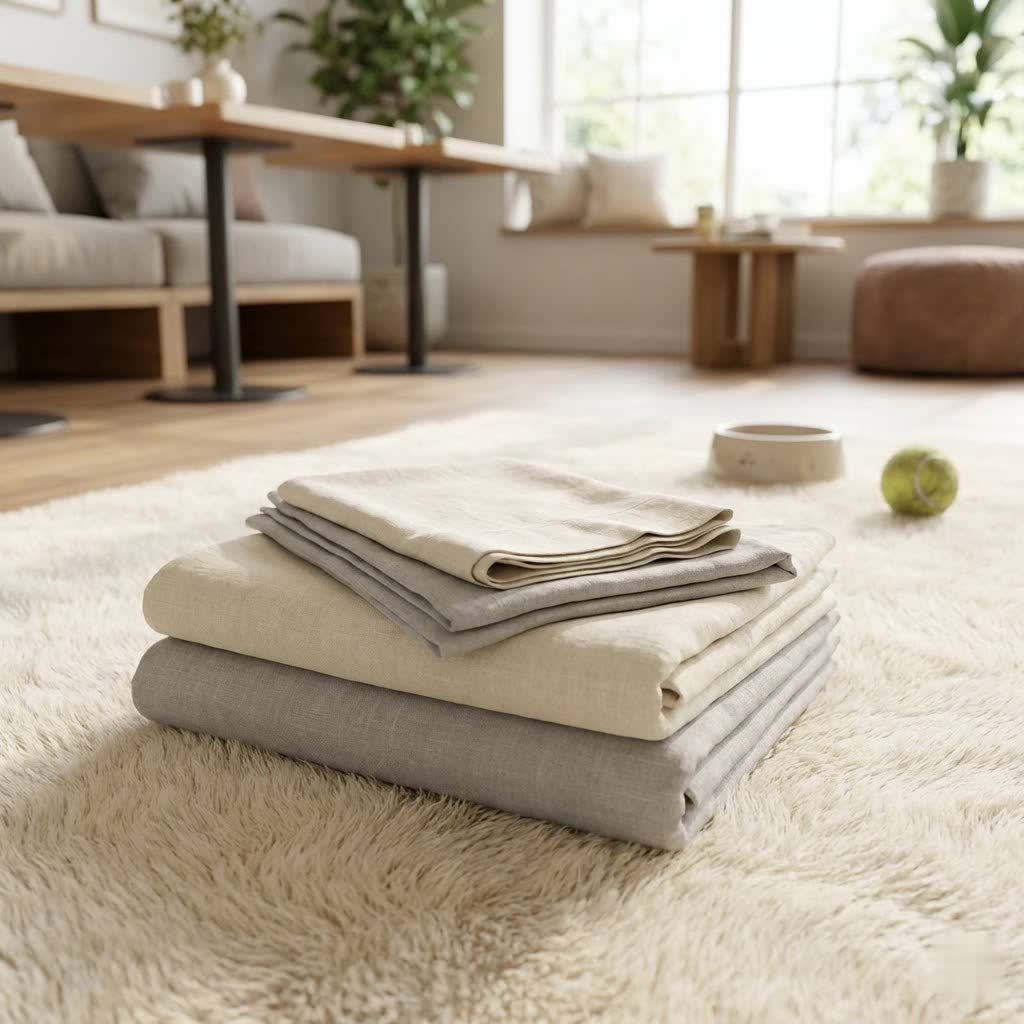
Imagine sinking into a bed enveloped in soft, luxurious sheets, perfectly suited to your comfort and style. It’s more than just a dream; it’s a daily reality made possible by choosing the right bed sheets. When the search for “Bed Sheet Shop Near Me” begins, it signals a desire for tactile experience, immediate satisfaction, and often, expert guidance in selecting the foundation for truly restful sleep. The right bed sheets are paramount to a good night’s rest, impacting everything from skin health to the aesthetic harmony of your bedroom.
What Are Bed Sheets and Why Are They So Important?
Bed sheets are essential textile components of a bed, typically consisting of a fitted sheet that covers the mattress, a flat sheet that lies on top of the fitted sheet, and pillowcases that encase pillows. Beyond their basic function of protecting your mattress and pillows, bed sheets play a critical role in your overall sleep experience.
High-quality bed sheets contribute significantly to comfort, regulating body temperature and wicking away moisture to keep you cool and dry throughout the night. This directly influences sleep quality, helping you drift into deeper, more restorative sleep. Furthermore, certain materials can be beneficial for skin health, reducing irritation and promoting a cleaner sleep environment. Aesthetically, bed sheets are a cornerstone of bedroom decor, offering an immediate way to inject color, texture, and personality into your private sanctuary.
Popular Types of Bed Sheets on the Market
The world of bed sheets is vast, with options categorized by material, size, and style, each offering unique benefits to suit different preferences and needs.
Classified by Material
The material of your bed sheets is perhaps the most crucial factor influencing comfort, durability, and feel.
- Cotton: The perennial favorite, cotton is beloved for its softness, breathability, and durability.
- Egyptian Cotton: Renowned for its extra-long fibers, offering superior softness, durability, and breathability. It’s often considered the highest quality cotton.
- Pima Cotton: Another long-staple variety, Pima (often trademarked as Supima®) is known for being soft, strong, and luxurious, though typically less expensive than Egyptian cotton.
- Upland Cotton: The most common and affordable type, Upland cotton has shorter fibers and a slightly coarser feel.
- Organic Cotton: Grown without harmful chemicals, making it an eco-friendly and hypoallergenic choice.
- Pros: Versatile, breathable, soft, durable, easy to care for.
- Cons: Can wrinkle, some high-thread-count cotton can take longer to dry.
- Linen: Made from flax plants, linen sheets offer a distinct texture that becomes softer with each wash. They are highly breathable and durable.
- Pros: Exceptionally breathable, excellent temperature regulation, very durable, softens over time, naturally hypoallergenic and sustainable.
- Cons: Prone to wrinkling, can feel rough initially, often more expensive.
- Silk: The epitome of luxury, silk sheets are incredibly soft, smooth, and have natural temperature-regulating properties.
- Pros: Hypoallergenic, extremely smooth (good for hair and skin), highly breathable, luxurious feel.
- Cons: Very expensive, delicate, requires careful washing and maintenance, can be slippery.
- Polyester and Microfiber: These synthetic options are known for their practicality and affordability. Microfiber is a finely woven polyester.
- Pros: Durable, wrinkle-resistant, stain-resistant, very affordable, easy to clean.
- Cons: Less breathable than natural fibers, can trap heat and moisture, may feel less luxurious, polyester can absorb oils, and some may irritate sensitive skin.
- Bamboo (and Lyocell/Tencel): Derived from wood pulp (often eucalyptus for Lyocell/Tencel), these materials are celebrated for their sustainability, softness, and moisture-wicking properties.
- Pros: Sustainable, hypoallergenic, highly breathable, moisture-wicking, silky soft, good for hot sleepers.
- Cons: Can be more expensive than cotton, some brands might stretch or become droopy after washing.
|
Our Picks for the Best Bed Sheet in 2026
We may earn a commission when you use one of our links to make a purchase.
|
||
| Num | Product | Action |
|---|---|---|
| 1 | Amazon Basics Lightweight Super Soft Easy Care Wrinkle Free Microfiber 3 Piece Bed Sheet Set with 14-Inch Deep Pockets, Twin, Aqua Squre Grid, Grid, Kids, Men & Women Bedding |

|
| 2 | Amazon Basics Lightweight Super Soft, Wrinkle-Free Luxury Microfiber 4 Piece Bed Sheet Set with 14-Inch Deep Pockets, Full, Dark Gray, Solid |
|
| 3 | Amazon Basics Lightweight Super Soft Easy Care Wrinkle Free Microfiber 3 Piece Bed Sheet Set with 14-Inch Deep Pockets, Twin, Aqua Fern, Floral, Kids, Men & Women Bedding |
|
| 4 | Amazon Basics Lightweight Super Soft Easy Care Wrinkle Free Microfiber 3 Piece Bed Sheet Set with 14-Inch Deep Pockets, Twin, Beige, Solid, Kids, Men & Women Bedding |
|
| 5 | Utopia Bedding Queen Size Sheet Set – 4 Piece Bed Sheets, Soft and Breathable Microfiber, Includes 1 Fitted Sheet, 1 Flat Sheet and 2 Pillowcases – Oeko Tex (Grey) |
|
| 6 | Amazon Basics Lightweight Super Soft Easy Care Wrinkle Free Microfiber 3 Piece Bed Sheet Set with 14-Inch Deep Pockets, Twin, Navy Blue, Solid, Kids, Men & Women Bedding |
|
| 7 | Amazon Basics Lightweight Super Soft Easy Care Wrinkle Free Microfiber 3 Piece Bed Sheet Set with 14-Inch Deep Pockets, Twin, Blue Damask, Printed, Kids, Men & Women Bedding |
|
| 8 | Amazon Basics 4 Piece Microfiber Lightweight Wrinkle-free Breathable Bed Sheet Set, Super Soft Easy Care, 14" Deep Pockets, Queen, Bright White, Solid |
|
| 9 | Amazon Basics Lightweight Super Soft Easy Care Wrinkle Free Microfiber 3 Piece Bed Sheet Set with 14-Inch Deep Pockets, Twin, Dark Gray, Solid, Kids, Men & Women Bedding |
|
| 10 | Amazon Basics Lightweight Super Soft Easy Care Wrinkle Free Microfiber 3 Piece Bed Sheet Set with 14-Inch Deep Pockets, Twin, Black, Solid, Kids, Men & Women Bedding |
|
Classified by Size
Ensuring your bed sheets fit your mattress perfectly is crucial for comfort and aesthetics. Standard sizes include:
- Twin/Single: Ideal for children’s beds or single sleepers, typically measuring around 38″ x 75″ for the fitted sheet.
- Twin XL: Common in dorm rooms, offering extra length for taller individuals, around 39″ x 80″.
- Full/Double: A comfortable size for single adults, or a snug fit for two, measuring approximately 54″ x 75″.
- Queen: The most popular size for couples, providing ample space, generally 60″ x 80″.
- King: Offers generous space for couples, often 76″ x 80″.
- California King: Slightly narrower but longer than a standard King, perfect for taller individuals, usually 72″ x 84″.
Remember to also consider the mattress depth when choosing fitted sheets, especially for pillow-top mattresses, to ensure a snug fit.
Classified by Style
Beyond material and size, bed sheets come in distinct styles that make up a complete bedding set.
- Fitted Sheet: Features elasticized edges designed to snugly fit over the mattress, preventing it from slipping.
- Flat Sheet (Top Sheet): A rectangular sheet placed on top of the fitted sheet, between you and your duvet or blanket. It can be tucked in or left loose.
- Pillowcase: A fabric case that protects your pillow, typically coordinating with the bed sheets. Standard pillowcases are around 20″ x 30″, while King size pillowcases are larger, approximately 20″ x 40″.
Detailed Comparison Table of Bed Sheet Materials
To help you make an informed decision, here’s a comparison of popular bed sheet materials:
| Material | Breathability | Softness | Durability | Wrinkle Resistance | Price Range | Care |
|---|---|---|---|---|---|---|
| Cotton | Excellent | Good-Excellent | Good-Excellent | Moderate | Mid-Range | Machine wash, tumble dry. |
| Linen | Excellent | Good (softens with age) | Excellent | Low | Mid-High | Machine wash, air dry or low tumble dry. |
| Silk | Excellent | Excellent | Moderate | Good | High | Hand wash or delicate cycle, air dry. |
| Polyester | Low-Moderate | Moderate | Excellent | Excellent | Low | Machine wash, tumble dry. |
| Microfiber | Moderate | Excellent | Excellent | Excellent | Low | Machine wash, tumble dry. |
| Bamboo | Excellent | Excellent | Good | Moderate | Mid-High | Machine wash cold, low tumble dry or air dry. |
Your Ultimate Guide to Choosing the Right Bed Sheets
Finding the perfect bed sheets involves a blend of understanding your personal needs and recognizing quality indicators.
Determine Your Needs
Before stepping into a bed sheet shop, consider what truly matters to you. Do you prioritize unparalleled comfort, long-lasting durability, or budget-friendly options? Do you have sensitive skin or allergies that necessitate hypoallergenic materials? Your local climate also plays a significant role; breathable fabrics are ideal for warmer climates, while insulating materials suit colder regions.
Select the Right Material
Based on your needs, choose a material that aligns with your preferences. If you’re a hot sleeper, opt for highly breathable and moisture-wicking materials like cotton, linen, or bamboo. For a luxurious feel and gentle touch, silk or high-quality cotton sateen might be your choice. Those on a budget or needing wrinkle-resistant options might lean towards microfiber or polyester blends.
Match the Correct Size
Accurate measurement of your mattress is crucial. Measure the length, width, and particularly the depth of your mattress. Many modern mattresses, especially those with pillow tops, require “deep pocket” fitted sheets to ensure a secure fit that won’t slip off during the night.
Check Quality and Craftsmanship
When you visit a shop, physically inspect the bed sheets. Look for strong, even stitching without loose threads. The fabric surface should feel smooth and consistent. Quality construction indicates durability and attention to detail. Don’t solely rely on thread count; while it can be an indicator, the quality of the fiber and the weave are often more telling. As an expert from Consumer Reports suggests, if you don’t like the feel of sheets in the store, you likely won’t like them a year later.
Consider Brand and Reputation
Researching reputable brands and reading customer reviews can provide valuable insights into product quality and customer satisfaction. While shopping at a “bed sheet shop near me,” look for stores known for their quality bedding selections and knowledgeable staff. They can offer personalized recommendations and allow you to physically experience the product.
Top Bed Sheet Recommendations for a Restful Sleep
While specific product recommendations are best made in person, certain types of bed sheets consistently receive high praise for enhancing sleep. For those who prioritize a cool, crisp feel, high-quality Percale cotton sheets are an excellent choice. If a silky, smooth touch is your preference, Sateen cotton sheets or bamboo sheets are often highly rated. For the ultimate in luxury and skin benefits, silk sheets are unparalleled, despite their higher price point and delicate care requirements. Investing in quality sheets means you’ll have long-lasting bed sheets that maintain their softness and durability wash after wash.
“A good set of bed sheets is an investment in your well-being, transforming your bed into a haven that promises deep and restorative sleep.”
How to Properly Care and Maintain Your Bed Sheets
Proper care extends the life and maintains the quality of your bed sheets.
- Washing: Always follow the care instructions on the label. Generally, wash sheets in cold or warm water with a gentle detergent. Avoid harsh chemicals like bleach unless specifically recommended, as they can weaken fibers and cause discoloration.
- Drying: Tumble dry on a low heat setting or air dry to prevent shrinkage and preserve fabric integrity. High heat can damage fibers, especially in natural materials like cotton and linen, and can also contribute to pilling in synthetic fabrics.
- Ironing: If desired, iron sheets on a medium setting for a crisp, wrinkle-free look. Linen and cotton tend to wrinkle more, while microfiber and polyester are often wrinkle-resistant.
- Storage: Store clean, dry sheets in a cool, dark place to keep them fresh until use.
Conclusion
The quest for the perfect bed sheets is a journey toward better sleep, improved well-being, and a more inviting bedroom. From the breathable comfort of cotton to the luxurious embrace of silk, and the sustainable softness of bamboo, the options available cater to every preference and need. By considering material, size, and style, and taking the time to explore options at a “bed sheet shop near me,” you empower yourself to make an informed decision. Remember, your bed is a sanctuary, and quality bed sheets are the cornerstone of a truly restful experience.
What kind of bed sheets will transform your sleep experience tonight?
Frequently Asked Questions
Which bed sheet material is best for hot sleepers?
For hot sleepers, the best bed sheet materials are those known for their breathability and moisture-wicking properties. Linen, bamboo (or Lyocell/Tencel), and Percale cotton are excellent choices as they allow air to circulate freely and draw moisture away from the body, keeping you cool and dry throughout the night.
How often should I wash my bed sheets?
It is generally recommended to wash your bed sheets at least once a week. This frequency helps to remove accumulated dirt, sweat, body oils, and allergens, contributing to a cleaner, healthier sleep environment and prolonging the life of your sheets. If you have allergies, pets, or sweat heavily, you might consider washing them more often.
How can I remove stubborn stains from bed sheets?
To remove stubborn stains, act quickly. For most stains, pre-treat the area with a stain remover or a mixture of detergent and water before washing. For oil-based stains, sprinkle cornstarch or baking soda to absorb the oil before washing. Always check the fabric care label and test any stain remover on an inconspicuous area first.