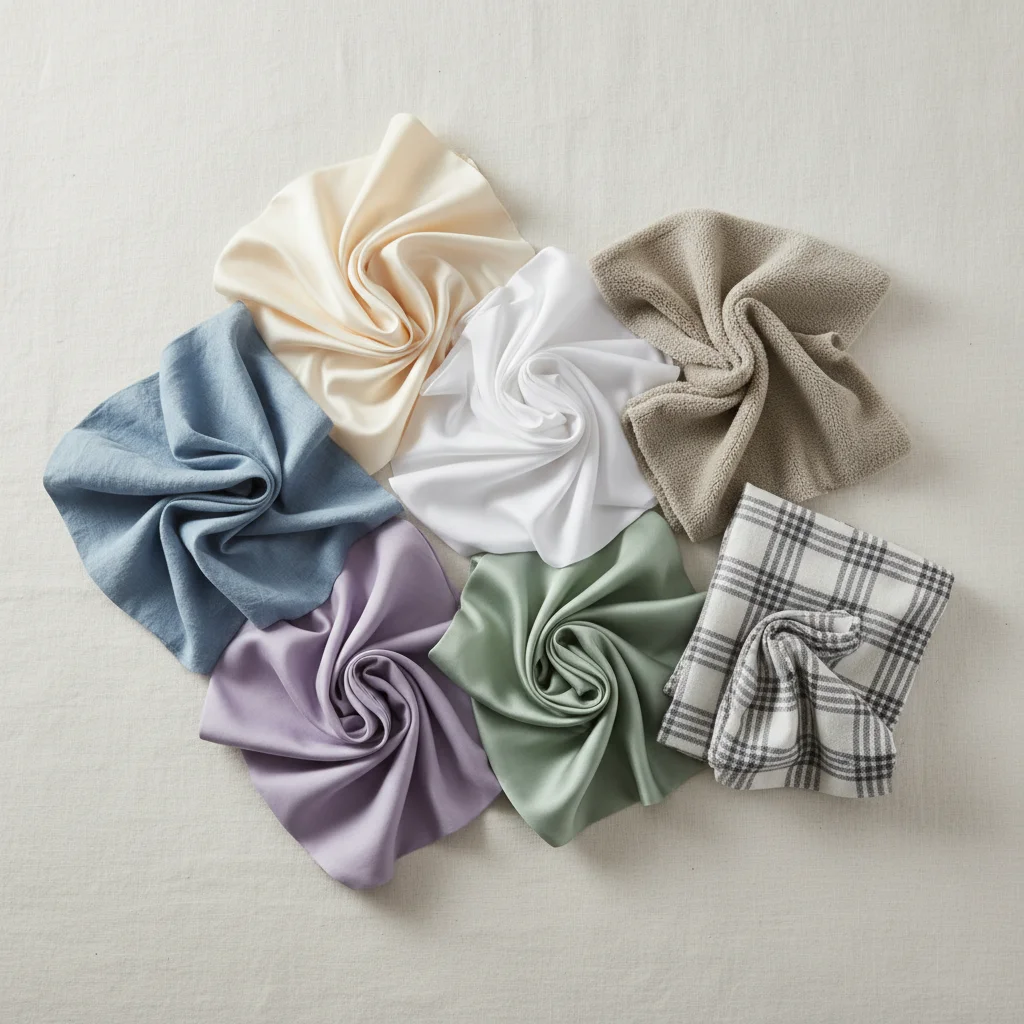
Choosing the right bed sheet materials is crucial for achieving ultimate sleep comfort. There are seven primary types of bed sheet materials that offer distinct benefits, ranging from breathability and softness to durability and temperature regulation. Understanding these differences can help you select the perfect sheets to enhance your nightly rest.
Cotton: The Versatile Classic
Cotton remains the most popular choice for bed sheets due to its breathability, softness, and durability. Different types of cotton, such as Egyptian, Pima, and Upland, offer varying levels of luxury and strength. Egyptian cotton is known for its extra-long fibers, resulting in incredibly soft and lustrous sheets, while Pima cotton offers similar softness and durability at a slightly lower price point. Upland cotton is the most common and affordable, providing a good balance of comfort and value.
Linen: Naturally Cool and Durable
Linen sheets are celebrated for their natural cooling properties and exceptional durability. Made from flax fibers, linen is highly breathable, wicking away moisture and keeping you cool in warmer climates. While initially feeling a bit crisp, linen softens beautifully with each wash, developing a unique, relaxed texture. It is also naturally hypoallergenic and resistant to dust mites, making it an excellent choice for allergy sufferers.
Silk: Luxurious and Gentle
Silk sheets offer unparalleled luxury and a smooth, gentle feel against the skin. Known for its natural temperature-regulating properties, silk keeps you cool in the summer and warm in the winter. It is also hypoallergenic and beneficial for skin and hair, reducing friction and preventing sleep creases or tangled hair. Mulberry silk is considered the highest quality, offering the finest and most uniform fibers.
Microfiber: Soft and Affordable
|
Our Picks for the Best Bed Sheet in 2026
As an Amazon Associate I earn from qualifying purchases.
|
||
| Num | Product | Action |
|---|---|---|
| 1 | Amazon Basics Lightweight Super Soft Easy Care Wrinkle Free Microfiber 3 Piece Bed Sheet Set with 14-Inch Deep Pockets, Twin, Blue Damask, Printed, Kids, Men & Women Bedding |

|
| 2 | Amazon Basics Lightweight Super Soft Easy Care Wrinkle Free Microfiber 3 Piece Bed Sheet Set with 14-Inch Deep Pockets, Twin, Beige, Solid, Kids, Men & Women Bedding |
|
| 3 | Amazon Basics Lightweight Super Soft, Wrinkle-Free Luxury Microfiber 4 Piece Bed Sheet Set with 14-Inch Deep Pockets, Full, Dark Gray, Solid |
|
| 4 | Amazon Basics Lightweight Super Soft Easy Care Wrinkle Free Microfiber 3 Piece Bed Sheet Set with 14-Inch Deep Pockets, Twin, Black, Solid, Kids, Men & Women Bedding |
|
| 5 | Amazon Basics Lightweight Super Soft Easy Care Wrinkle Free Microfiber 3 Piece Bed Sheet Set with 14-Inch Deep Pockets, Twin, Aqua Fern, Floral, Kids, Men & Women Bedding |
|
| 6 | Amazon Basics Lightweight Super Soft Easy Care Wrinkle Free Microfiber 3 Piece Bed Sheet Set with 14-Inch Deep Pockets, Twin, Aqua Squre Grid, Grid, Kids, Men & Women Bedding |
|
| 7 | Utopia Bedding Queen Size Sheet Set – 4 Piece Bed Sheets, Soft and Breathable Microfiber, Includes 1 Fitted Sheet, 1 Flat Sheet and 2 Pillowcases – Oeko Tex (Grey) |
|
| 8 | Amazon Basics Lightweight Super Soft Easy Care Wrinkle Free Microfiber 3 Piece Bed Sheet Set with 14-Inch Deep Pockets, Twin, Navy Blue, Solid, Kids, Men & Women Bedding |
|
| 9 | Amazon Basics Lightweight Super Soft Easy Care Wrinkle Free Microfiber 3 Piece Bed Sheet Set with 14-Inch Deep Pockets, Twin, Dark Gray, Solid, Kids, Men & Women Bedding |
|
| 10 | Amazon Basics 4 Piece Microfiber Lightweight Wrinkle-free Breathable Bed Sheet Set, Super Soft Easy Care, 14" Deep Pockets, Queen, Bright White, Solid |
|
Microfiber sheets are made from finely woven synthetic fibers, typically polyester. They are known for their exceptional softness, wrinkle resistance, and affordability. Microfiber sheets are also highly durable and easy to care for, making them a practical choice for many households. However, they may not be as breathable as natural fibers, which could be a consideration for hot sleepers.
Bamboo: Eco-Friendly and Silky Soft
Bamboo sheets are gaining popularity for their eco-friendly origins and incredibly soft, silky texture. Made from bamboo pulp, these sheets are naturally hypoallergenic, antibacterial, and highly breathable. They excel at wicking away moisture, helping to regulate body temperature throughout the night. Bamboo sheets are also durable and resistant to pilling, offering a luxurious feel with a sustainable footprint.
Flannel: Warm and Cozy
Flannel sheets are the go-to choice for colder months, providing exceptional warmth and coziness. Made from brushed cotton, wool, or synthetic blends, flannel has a soft, napped surface that traps air, offering excellent insulation. While perfect for winter, flannel sheets are generally not suitable for warmer climates due to their heat-retaining properties. Look for flannel with a higher gram per square meter (GSM) for superior warmth and durability.
Satin: Smooth and Elegant
Satin sheets, often made from polyester or a blend of synthetic and natural fibers, offer a smooth, lustrous surface that feels elegant and luxurious. While not as breathable as silk, satin provides a similar sleek feel and can be a more affordable alternative for those seeking a sophisticated look. Satin sheets are also known for their wrinkle resistance and ease of care.
- Consider your climate: Breathable fabrics like linen or bamboo are ideal for warm sleepers.
- Prioritize softness: Cotton, silk, and bamboo offer a luxurious feel.
- Check for durability: Linen and high-quality cottons are known for longevity.
- Account for allergies: Silk, bamboo, and linen are naturally hypoallergenic.
- Set a budget: Microfiber and Upland cotton are more budget-friendly options.
Get our weekly buyer guide
Practical specs, not advice. Unsubscribe anytime.

I’ve always struggled with getting too hot at night, even with the AC on. After reading about the breathability of linen, I decided to give it a try, and wow, what a difference! These sheets keep me so much cooler, and the natural texture is surprisingly comfortable. Definitely a game-changer for my sleep.
I recently upgraded to Egyptian cotton sheets, and the difference in softness is incredible. They feel so luxurious, and I’ve noticed I’m sleeping more soundly. My only minor complaint is that they wrinkle a bit more than my old sheets, but it’s a small price to pay for the comfort.
I was excited to try Pima cotton for its softness and durability, but I found the sheets to be a little thinner than I expected for the price. They’re still comfortable, and I appreciate the breathability, but I was hoping for a more substantial feel. Maybe I just had too high expectations.
I used to just buy whatever sheets were on sale, but learning about the different types of cotton really opened my eyes. I went with Upland cotton this time for the value, and I’m genuinely impressed. They’re soft, hold up well after washing, and I’m getting much better sleep without breaking the bank.