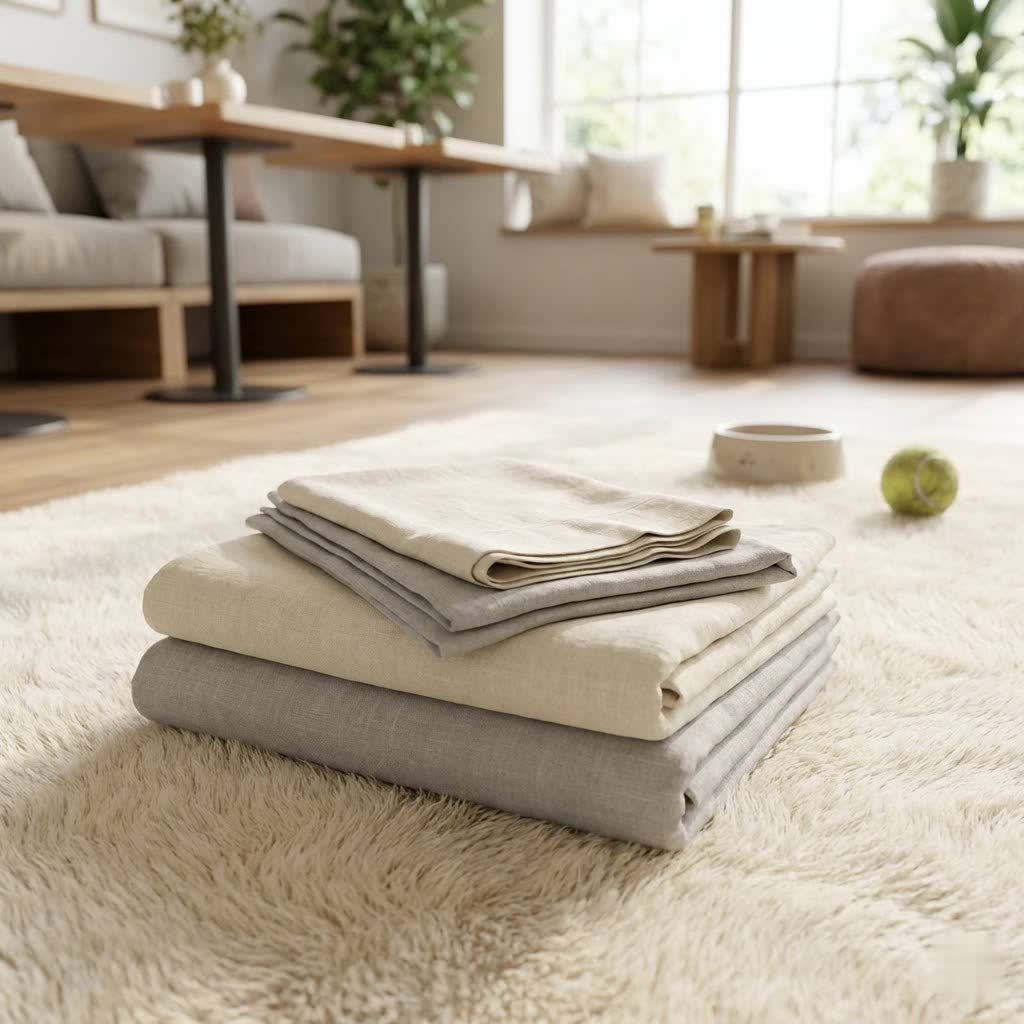
Imagine sinking into bed after a long day, only to have your fitted sheet creep up at the corners, leaving your mattress exposed. Frustrating, isn’t it? A perfectly fitting Twin Bed Fitted Sheet is more than just a piece of fabric; it’s the foundation of a serene sleep environment, ensuring comfort, hygiene, and a tidy bedroom aesthetic. This comprehensive guide will walk you through everything you need to know, from understanding dimensions and materials to choosing and caring for the ideal fitted sheet for your twin bed.
What is a Twin Bed Fitted Sheet and Why is it Essential?
A fitted sheet is a crucial piece of bedding designed with elasticized corners, or sometimes elastic all around, that snugly wraps around your mattress. Its primary purpose is to protect your mattress from dirt, sweat, and allergens while providing a smooth, comfortable surface for sleeping. For a twin bed, which typically accommodates a single sleeper, a well-chosen fitted sheet ensures an uninterrupted, restful night. The “fitted” aspect is key: unlike a flat sheet that simply drapes over the mattress, a fitted sheet stays securely in place, preventing annoying bunching or slipping throughout the night. This stability contributes significantly to overall sleep quality and the neat appearance of your bed.
Understanding Twin Bed Fitted Sheet Sizes and Dimensions
Choosing the right size is the first, and arguably most important, step in selecting a fitted sheet. A standard twin mattress generally measures approximately 38 inches wide by 75 inches long (96.5 x 190.5 cm). Consequently, a twin fitted sheet is typically sized at 39 inches wide by 75 inches long (99.06 x 190.5 cm) to allow for a slight overhang and a secure tuck under the mattress.
However, length and width aren’t the only dimensions to consider. Pocket depth is paramount. This refers to the height of your mattress, including any toppers or protectors.
- Standard Fitted Sheets: Designed for mattresses typically up to 10 inches (25 cm) deep, with a pocket depth of around 10-12 inches (25-30 cm).
- Deep Pocket Fitted Sheets: Essential for mattresses over 10 inches deep. If your mattress is, for instance, 15 inches tall, look for sheets with a pocket depth of 16 to 17 inches. The general rule is that your fitted sheet should have a pocket depth a few inches greater than your mattress’s height to ensure a snug fit that won’t pull up at the corners.
It’s also important to distinguish between a standard twin and a Twin XL. While both are 38 inches wide, a Twin XL mattress is 5 inches longer (38 x 80 inches). Therefore, a Twin XL fitted sheet is required for a Twin XL mattress to prevent it from being too short and constantly slipping off.
Exploring the Best Materials for Your Twin Bed Fitted Sheet
The material of your fitted sheet greatly influences your comfort, sleep temperature, and the sheet’s longevity. Different fabrics offer unique benefits, catering to various preferences and climates.
Cotton
Cotton is hands down the most popular choice for bedding due to its exceptional versatility, breathability, and durability. It’s naturally soft and comfortable against the skin.
- Egyptian Cotton: Renowned for its extra-long staple fibers, leading to incredibly soft, strong, and luxurious sheets that resist pilling. While often more expensive, its smooth feel and durability make it a worthwhile investment.
- Pima/Supima Cotton: Similar to Egyptian cotton, Pima (and its trademarked counterpart Supima) features long-staple fibers, offering ultra-smoothness and durability. It’s often a more affordable alternative to Egyptian cotton while still providing high quality.
- Upland Cotton: The most commonly used type of cotton for sheets, typically more affordable than Egyptian or Pima.
- Weave Styles: The weave also impacts cotton’s feel:
- Percale: A crisp, matte finish that feels cool and airy, ideal for hot sleepers.
- Sateen: A smooth, lustrous finish that feels incredibly soft and elegant, often resembling satin.
- Jersey: Knit like a t-shirt, offering stretch and a casual, soft feel.
|
Our Picks for the Best Bed Sheet in 2026
We may earn a commission when you use one of our links to make a purchase.
|
||
| Num | Product | Action |
|---|---|---|
| 1 | Utopia Bedding Queen Size Sheet Set – 4 Piece Bed Sheets, Soft and Breathable Microfiber, Includes 1 Fitted Sheet, 1 Flat Sheet and 2 Pillowcases – Oeko Tex (Grey) |

|
| 2 | Amazon Basics Lightweight Super Soft Easy Care Wrinkle Free Microfiber 3 Piece Bed Sheet Set with 14-Inch Deep Pockets, Twin, Black, Solid, Kids, Men & Women Bedding |
|
| 3 | Amazon Basics Lightweight Super Soft Easy Care Wrinkle Free Microfiber 3 Piece Bed Sheet Set with 14-Inch Deep Pockets, Twin, Aqua Fern, Floral, Kids, Men & Women Bedding |
|
| 4 | Amazon Basics Lightweight Super Soft, Wrinkle-Free Luxury Microfiber 4 Piece Bed Sheet Set with 14-Inch Deep Pockets, Full, Dark Gray, Solid |
|
| 5 | Amazon Basics Lightweight Super Soft Easy Care Wrinkle Free Microfiber 3 Piece Bed Sheet Set with 14-Inch Deep Pockets, Twin, Navy Blue, Solid, Kids, Men & Women Bedding |
|
| 6 | Amazon Basics Lightweight Super Soft Easy Care Wrinkle Free Microfiber 3 Piece Bed Sheet Set with 14-Inch Deep Pockets, Twin, Dark Gray, Solid, Kids, Men & Women Bedding |
|
| 7 | Amazon Basics Lightweight Super Soft Easy Care Wrinkle Free Microfiber 3 Piece Bed Sheet Set with 14-Inch Deep Pockets, Twin, Blue Damask, Printed, Kids, Men & Women Bedding |
|
| 8 | Amazon Basics 4 Piece Microfiber Lightweight Wrinkle-free Breathable Bed Sheet Set, Super Soft Easy Care, 14" Deep Pockets, Queen, Bright White, Solid |
|
| 9 | Amazon Basics Lightweight Super Soft Easy Care Wrinkle Free Microfiber 3 Piece Bed Sheet Set with 14-Inch Deep Pockets, Twin, Beige, Solid, Kids, Men & Women Bedding |
|
| 10 | Amazon Basics Lightweight Super Soft Easy Care Wrinkle Free Microfiber 3 Piece Bed Sheet Set with 14-Inch Deep Pockets, Twin, Aqua Squre Grid, Grid, Kids, Men & Women Bedding |
|
Linen
Known for its relaxed, lived-in luxury, linen sheets are highly breathable and naturally wick away moisture, making them excellent for warmer climates or hot sleepers. Linen softens with each wash and offers a distinctive, textured feel. While initially pricier, linen is incredibly durable and can last for many years.
Silk
The epitome of luxury, silk fitted sheets are exceptionally smooth, soft, and gentle on the skin and hair. They are naturally hypoallergenic and temperature-regulating, offering a cool touch in summer and warmth in winter. However, silk is delicate and typically comes with a higher price tag and specific care requirements.
Bamboo
Bamboo fabric is gaining popularity for its eco-friendliness and remarkable properties. It’s naturally temperature-regulating, moisture-wicking, and incredibly soft, often described as having a silky feel. Bamboo sheets are also hypoallergenic and antibacterial, making them a great choice for sensitive skin or allergy sufferers.
Polyester and Microfiber
These synthetic materials are generally more affordable and offer several practical benefits. Polyester sheets are often smooth, lightweight, and resistant to wrinkles and shrinkage, making them easy to care for. Microfiber, a finely woven polyester, is particularly soft and durable, though it can sometimes trap heat.
Flannel
For colder climates or those who prefer extra warmth, flannel fitted sheets are ideal. Made from brushed cotton, flannel has a fuzzy surface that traps air, providing excellent insulation and a cozy feel.
Key Factors to Consider When Choosing a Twin Bed Fitted Sheet (Buying Guide)
Selecting the perfect twin bed fitted sheet involves more than just picking a color. Consider these factors to ensure you make the best choice for your sleep needs.
Prioritize Your Needs
Before diving into options, think about what truly matters to you. Are you prioritizing ultimate comfort and softness, or is durability and easy care more important? Do you tend to sleep hot, requiring breathable fabrics, or do you crave warmth? If you have sensitive skin or allergies, look for hypoallergenic materials like bamboo or organic cotton. Your local climate also plays a role – lighter fabrics for humid environments, heavier ones for cooler regions.
Match Your Mattress Depth
As discussed, this is critical. Measure your mattress height precisely, including any mattress pads or toppers. If your mattress is thicker than 10-12 inches, you will need a deep-pocket fitted sheet. A sheet that’s too shallow will constantly pop off, leading to discomfort and frustration. Conversely, one that’s too deep might bunch up.
Thread Count: Quality Over Quantity
Thread count refers to the number of threads woven into one square inch of fabric. While often marketed as the ultimate indicator of quality, it’s not the only factor. For cotton sheets, a thread count between 200 and 400 typically offers a good balance of softness, durability, and breathability. For sateen, 300-600 is often ideal, and for linen, 80-120. Be wary of excessively high thread counts (e.g., 1000+), as these can sometimes be achieved by twisting thinner, multi-ply threads together, which doesn’t necessarily equate to better quality or feel. Focus on the fiber quality and weave first.
Check Elastic Quality and Construction
A high-quality fitted sheet will have strong, durable elastic that runs all the way around the edge, not just at the corners. Full elastic edging provides a more secure grip on the mattress, preventing the sheet from slipping off, even with restless sleepers. Inspect the stitching; robust, even seams indicate better craftsmanship and durability.
Brand Reputation and Reviews
When in doubt, choose reputable brands known for quality bedding. Reading user reviews can offer valuable insights into a product’s real-world performance, including aspects like fit, feel after washing, and longevity. This can help you avoid common pitfalls and find a product that aligns with your expectations.
Detailed Comparison: Twin Fitted Sheet Materials
To help you decide, here’s a detailed comparison of popular twin fitted sheet materials:
| Material | Breathability | Softness | Durability | Wrinkle Resistance | Price Range | Care |
|---|---|---|---|---|---|---|
| Cotton (Percale) | Excellent | Crisp, smooth | Very Good | Low | Mid | Machine wash warm, tumble dry low |
| Cotton (Sateen) | Good | Silky, soft | Good | Moderate | Mid | Machine wash warm, tumble dry low |
| Linen | Excellent | Softens with wash | Excellent | Low (embraces wrinkles) | High | Machine wash cool, air dry or tumble dry low |
| Silk | Good | Ultra-smooth | Moderate | Good | Very High | Hand wash or delicate cycle, air dry |
| Bamboo | Excellent | Silky, soft | Good | Moderate | Mid-High | Machine wash cool, tumble dry low |
| Polyester/Microfiber | Moderate | Soft | Very Good | High | Low | Machine wash warm, tumble dry low |
| Flannel | Moderate (warm) | Plush, cozy | Good | Moderate | Mid | Machine wash warm, tumble dry low |
“A quality twin bed fitted sheet can transform your sleeping experience, providing not just comfort but also contributing to a healthier, more organized bedroom.”
Caring for Your Twin Bed Fitted Sheet: Tips for Longevity
Proper care extends the life of your fitted sheets, keeping them soft, clean, and vibrant. Always check the care label for specific instructions, as different materials have varying needs.
Washing:
- Frequency: It’s generally recommended to wash sheets every one to two weeks to remove dead skin cells, oils, and allergens.
- Temperature: Use cold or warm water for most sheets (cotton, bamboo, linen) to prevent shrinkage and preserve fabric integrity. Hot water can be used for white cotton sheets to sanitize, but may cause colors to fade over time. For silk, always use cold water on a delicate cycle or hand wash.
- Detergent: Use a mild detergent and avoid harsh chemicals like bleach, which can damage fibers and fade colors.
- Loading: Don’t overload the washing machine, as this prevents thorough cleaning and can cause excessive wear.
Drying:
- Tumble Dry Low: For most fabrics, tumble drying on a low heat setting is best. High heat can damage fibers, cause shrinkage, and lead to excessive wrinkling.
- Remove Promptly: Take sheets out of the dryer as soon as they’re dry to minimize wrinkles.
- Air Dry: For delicate fabrics like silk or to extend the life of any sheet, air drying on a line or drying rack is an excellent option.
Ironing:
- Most fitted sheets do not require ironing, especially if removed promptly from the dryer. For a crisp look, especially with cotton or linen, iron on a medium setting while slightly damp. Silk and bamboo usually do not need ironing.
Storage:
- Store clean, dry sheets in a cool, dry place. Folding them neatly not only saves space but also keeps them fresh until their next use. Consider storing matching sheet sets inside one of the pillowcases for easy organization.
Conclusion
Choosing the right twin bed fitted sheet is a small decision that makes a big difference in your daily comfort and overall sleep quality. From understanding the precise dimensions for a snug fit to exploring a world of materials like crisp cotton, luxurious linen, or silky bamboo, there’s a perfect sheet waiting for you. Prioritizing factors like mattress depth, weave, and quality construction ensures your investment truly pays off in restful nights and a beautifully made bed. Remember, a well-chosen and cared-for fitted sheet isn’t just bedding; it’s an essential element for a serene and rejuvenating sleep experience. What kind of comfort are you dreaming of for your twin bed tonight?
Frequently Asked Questions
Which fitted sheet material is best for hot sleepers?
For hot sleepers, highly breathable materials are key. Percale cotton, linen, and bamboo are excellent choices. Percale cotton offers a crisp, airy feel, while linen and bamboo are known for their natural moisture-wicking and temperature-regulating properties, helping to keep you cool and dry throughout the night.
I should wash my twin fitted sheet how often?
It is generally recommended to wash your twin fitted sheet every one to two weeks. Regular washing helps remove sweat, body oils, dead skin cells, and allergens that accumulate over time, ensuring a clean and hygienic sleep environment. If you have allergies, pets, or sweat heavily, more frequent washing may be beneficial.
Can I use a Twin XL fitted sheet on a Twin bed?
While a Twin XL fitted sheet is the same width as a standard twin (approximately 39 inches), it is 5 inches longer (80 inches vs. 75 inches). This means a Twin XL fitted sheet would be too long for a standard twin mattress and would likely bunch up significantly at one end, making for an uncomfortable and untidy fit. Always match the sheet size precisely to your mattress size.