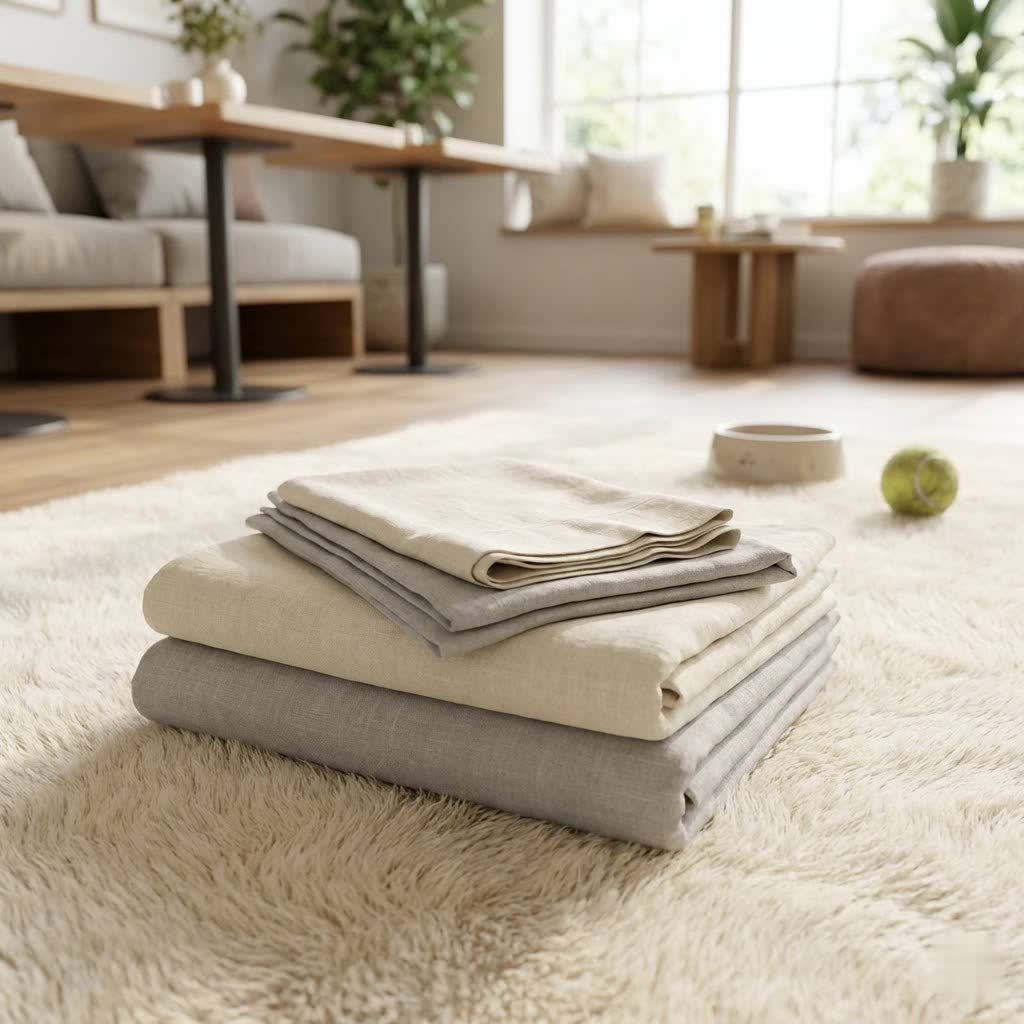
Imagine sinking into a bed that cradles you in perfect comfort, promising a night of deep, restorative sleep. As the administrator of Reviewdi.com with over a decade of experience in bedding, I understand that the foundation of such an experience lies firmly with your bed sheets. They are more than just fabric; they are a critical component of your sleep environment, directly influencing your comfort, skin health, and the overall aesthetic of your bedroom. Choosing the right Home Tex Bed Sheet can feel overwhelming with the myriad of options available, but this comprehensive guide will equip you with all the knowledge you need to make an informed decision, ensuring you select the perfect sheets for your sanctuary.
What Are Bed Sheets and Why Are They Important?
Bed sheets are fundamental home textiles that form the layer between you and your mattress, covering your bedding ensemble. They serve multiple crucial functions beyond mere aesthetics. Primarily, bed sheets provide a comfortable, clean surface for sleeping, protecting your mattress from sweat, dirt, and allergens, thereby extending its lifespan. Beyond practicalities, a quality set of bed sheets significantly impacts your sleep quality, influencing body temperature regulation, breathability, and overall tactile comfort. They are also a key element in bedroom décor, allowing you to express personal style and create a serene, inviting atmosphere.
Popular Bed Sheet Types on the Market
The diversity of bed sheets available today means there’s a perfect match for every preference and need. Understanding the different types, primarily categorized by their material, size, and style, is the first step in finding your ideal home tex bed sheet.
Classification by Material
The material of your bed sheets dictates their feel, durability, breathability, and care requirements.
- Cotton: Cotton remains the most popular choice due to its inherent softness, breathability, and versatility. It is naturally absorbent and helps regulate body temperature, keeping you cool in summer and warm in winter. Cotton is also hypoallergenic, making it excellent for sensitive skin or allergy sufferers.
- Egyptian Cotton: Renowned for its superior quality, Egyptian cotton features extra-long staple fibers, resulting in incredibly soft, fine, and durable fabric that becomes even softer with each wash. It offers excellent breathability and is ideal for year-round comfort.
- Pima/Supima Cotton: Similar to Egyptian cotton, Pima (and its American-grown counterpart, Supima) is an extra-long staple cotton known for creating strong, high-quality fabric that resists pilling and fading. It’s breathable, soft, and durable, providing year-round comfort.
- Organic Cotton: Grown without harmful pesticides, chemical fertilizers, or herbicides for at least three years, organic cotton is a sustainable and eco-conscious choice. Look for certifications like GOTS (Global Organic Textile Standard) and OEKO-TEX® STANDARD 100 for verified organic integrity.
- Percale Cotton: This weave creates a crisp, cool, and lightweight sheet with a matte finish. Percale sheets are durable and breathable, making them an excellent choice for hot sleepers or warmer climates.
- Sateen Cotton: With a three-yarn-over, one-yarn-under weave, sateen cotton sheets have a lustrous, smooth, and silky feel, often mistaken for satin. They are generally heavier and warmer than percale, offering a luxurious drape and wrinkle resistance, suitable for cooler climates or those who sleep cold.
- Flannel Cotton: Made with thicker, gently brushed yarns, flannel sheets have a fuzzy surface that traps warm air, providing exceptional softness and warmth. They are a beloved choice for cold winter nights.
- Jersey Cotton: Knit rather than woven, jersey cotton sheets offer a soft, stretchy feel akin to your favorite T-shirt. They are comfortable and cozy, providing a relaxed aesthetic.
- Linen: Woven from flax plant fibers, linen is highly breathable, moisture-wicking, and incredibly durable. It acts as a natural insulator, keeping you cool in summer and warm in winter. Linen has a distinct, relaxed texture and softens beautifully over time, though it is prone to wrinkling.
- Silk: A luxurious and naturally smooth fabric, silk sheets are known for their incredibly soft feel and ability to regulate temperature. They are gentle on skin and hair, often recommended for reducing friction and retaining moisture, though they come with a higher price tag.
- Polyester and Microfiber: These synthetic fabrics are lauded for their durability, affordability, and wrinkle-resistant properties. Microfiber, a type of polyester, offers a very soft touch. While strong and easy to care for, they are generally less breathable than natural fibers, which might be a consideration for hot sleepers.
- Bamboo (Rayon from Bamboo): Known for its silky softness and eco-friendly attributes, rayon made from bamboo is highly absorbent, quick-drying, and naturally hypoallergenic. It excels at temperature regulation, keeping you cool when it’s warm and warm when it’s cool, making it a versatile choice.
- TENCEL™ Lyocell: Derived from sustainably sourced wood pulp, TENCEL™ Lyocell is a durable, airy, and soft fabric. It boasts excellent moisture-wicking and antimicrobial properties, helping to regulate body temperature and keep skin feeling cool and dry.
|
Our Picks for the Best Bed Sheet in 2026
We may earn a commission when you use one of our links to make a purchase.
|
||
| Num | Product | Action |
|---|---|---|
| 1 | Amazon Basics Lightweight Super Soft Easy Care Wrinkle Free Microfiber 3 Piece Bed Sheet Set with 14-Inch Deep Pockets, Twin, Dark Gray, Solid, Kids, Men & Women Bedding |

|
| 2 | Amazon Basics Lightweight Super Soft Easy Care Wrinkle Free Microfiber 3 Piece Bed Sheet Set with 14-Inch Deep Pockets, Twin, Aqua Fern, Floral, Kids, Men & Women Bedding |
|
| 3 | Amazon Basics Lightweight Super Soft, Wrinkle-Free Luxury Microfiber 4 Piece Bed Sheet Set with 14-Inch Deep Pockets, Full, Dark Gray, Solid |
|
| 4 | Amazon Basics Lightweight Super Soft Easy Care Wrinkle Free Microfiber 3 Piece Bed Sheet Set with 14-Inch Deep Pockets, Twin, Navy Blue, Solid, Kids, Men & Women Bedding |
|
| 5 | Amazon Basics Lightweight Super Soft Easy Care Wrinkle Free Microfiber 3 Piece Bed Sheet Set with 14-Inch Deep Pockets, Twin, Black, Solid, Kids, Men & Women Bedding |
|
| 6 | Amazon Basics Lightweight Super Soft Easy Care Wrinkle Free Microfiber 3 Piece Bed Sheet Set with 14-Inch Deep Pockets, Twin, Blue Damask, Printed, Kids, Men & Women Bedding |
|
| 7 | Amazon Basics 4 Piece Microfiber Lightweight Wrinkle-free Breathable Bed Sheet Set, Super Soft Easy Care, 14" Deep Pockets, Queen, Bright White, Solid |
|
| 8 | Amazon Basics Lightweight Super Soft Easy Care Wrinkle Free Microfiber 3 Piece Bed Sheet Set with 14-Inch Deep Pockets, Twin, Aqua Squre Grid, Grid, Kids, Men & Women Bedding |
|
| 9 | Utopia Bedding Queen Size Sheet Set – 4 Piece Bed Sheets, Soft and Breathable Microfiber, Includes 1 Fitted Sheet, 1 Flat Sheet and 2 Pillowcases – Oeko Tex (Grey) |
|
| 10 | Amazon Basics Lightweight Super Soft Easy Care Wrinkle Free Microfiber 3 Piece Bed Sheet Set with 14-Inch Deep Pockets, Twin, Beige, Solid, Kids, Men & Women Bedding |
|
Classification by Size
Choosing the correct bed sheet size is essential for a proper fit and comfortable sleep. Always measure your mattress’s length, width, and depth to ensure your sheets will fit securely, especially if you have a pillow-top mattress or use a topper.
- Single: Designed for one person, typically measuring around 39 x 75 inches (99 x 191 cm).
- Double (Full): Suitable for one or two people, usually 54 x 75 inches (137 x 191 cm).
- Queen: A popular size for couples, measuring approximately 60 x 80 inches (152 x 203 cm).
- King: Offering ample space for couples, typically 76 x 80 inches (193 x 203 cm).
- Super King / California King: The largest standard size, California King measures around 72 x 84 inches (183 x 213 cm), offering extra length.
- Deep Pocket Sheets: For thicker mattresses (over 14 inches deep), deep pocket fitted sheets, often 16 to 20 inches deep, are necessary to ensure a secure and snug fit that won’t slip off.
Classification by Style
Bed sheets usually come in sets, but understanding individual components helps in mixing and matching or replacing pieces.
- Fitted Sheet: Features elasticized corners designed to snugly fit over the mattress, preventing it from shifting during sleep.
- Flat Sheet: Also known as a top sheet, this lies between you and your duvet or blanket, providing an extra layer of comfort and warmth, and protecting your top bedding from direct contact.
- Pillowcase: Covers your pillows, protecting them and contributing to your sleep comfort. They come in standard, queen, and king sizes to match your pillows.
Detailed Comparison Table of Bed Sheet Materials
To help you navigate your options, here’s a detailed comparison of popular bed sheet materials based on key criteria:
| Feature | Cotton (General) | Linen | Silk | Polyester / Microfiber | Bamboo / Tencel |
|---|---|---|---|---|---|
| Breathability | Excellent (especially percale) | Excellent | Good | Fair (can trap heat) | Excellent |
| Softness | Varies by weave (crisp to buttery-soft) | Softens over time, distinct texture | Extremely soft and smooth | Very soft (microfiber) | Silky smooth |
| Durability | Very good (especially long-staple varieties) | Excellent, long-lasting | Good, delicate care required | Excellent, very resistant to wear | Very good, durable |
| Wrinkle Resistance | Low to moderate (percale prone, sateen better) | Low, natural relaxed wrinkles | Moderate | High, very wrinkle-resistant | Moderate to high |
| Price | Mid-range to high (Egyptian, Supima) | Mid-range to high | High to very high | Low to mid-range | Mid-range to high |
| Care | Machine wash, tumble dry low | Machine wash, tumble dry low, can embrace wrinkles | Hand wash or delicate cycle, air dry, dry clean recommended | Machine wash, tumble dry low, easy care | Machine wash cold, tumble dry low, no bleach |
Buying Guide: How to Choose the Right Bed Sheets
Selecting the perfect bed sheets involves more than just picking a color; it’s about matching your personal preferences and lifestyle to the right material and features.
Determine Your Usage Needs
Start by considering your individual sleep habits and priorities:
- Comfort, Durability, or Price? Do you prioritize a luxurious feel, long-term durability, or budget-friendliness?
- Sensitive Skin or Allergies? If so, naturally hypoallergenic and chemical-free options like organic cotton, bamboo, or TENCEL™ are excellent choices. Look for OEKO-TEX® or GOTS certifications.
- Climate and Sleep Temperature: Are you a hot sleeper or do you get cold easily? Breathable fabrics like percale cotton, linen, bamboo, and TENCEL™ are ideal for hot sleepers and warm climates, while flannel or sateen cotton provide warmth for cooler temperatures.
Choose the Right Material
Based on your needs, select a material that offers the desired texture, warmth, and care.
- For ultimate softness and year-round comfort, consider Egyptian or Supima cotton.
- If you value a crisp, cool feel, percale cotton or linen might be your best bet.
- For those prioritizing warmth, opt for flannel or sateen.
- For eco-friendliness and excellent temperature regulation, bamboo or TENCEL™ are superb.
Select the Right Size
Accurately measure your mattress’s length, width, and depth (including any toppers) to ensure a perfect fit. Most fitted sheets have pockets ranging from 30 to 35 cm deep, but some offer extra-deep pockets (16-20 inches) for thicker mattresses. Remember that natural fibers like cotton and linen can shrink slightly after the first few washes, so some manufacturers account for this by making their sheets slightly oversized.
Check Stitching and Finish Quality
High-quality bed sheets will exhibit meticulous craftsmanship. Look for:
- Strong, even stitching: No loose threads or uneven seams, indicating durability.
- Smooth fabric surface: Free from defects, snags, or inconsistencies.
- Well-finished hems: Neat and robust, ensuring the sheets withstand repeated washing.
Consider Brand and Reputation
Reputable brands often adhere to higher manufacturing standards and ethical practices. Reading customer reviews can provide valuable insights into a product’s real-world performance. Also, prioritize sheets with recognized certifications like:
- OEKO-TEX® STANDARD 100: Ensures textiles are tested for harmful substances and are safe for human ecological use.
- Global Organic Textile Standard (GOTS): Certifies organic status of textiles from harvesting of raw materials through environmentally and socially responsible manufacturing, ensuring a truly organic and sustainable product.
Top Types of Bed Sheets for Your Home
While specific product recommendations vary by season and retailer, certain types of bed sheets consistently rank high for their quality, comfort, and style, making them perennial favorites in home textile collections.
- Luxury Egyptian Cotton Sateen Sheets: Prized for their buttery-soft feel and elegant sheen, these sheets offer a truly opulent sleep experience. They are durable, breathable, and an excellent investment for those seeking hotel-like luxury at home.
- Crisp Percale Cotton Sheets: Loved by hot sleepers, percale sheets provide a cool, crisp sensation reminiscent of a freshly laundered shirt. Their simple, tight weave makes them exceptionally durable and breathable, perfect for warm nights or year-round use in temperate climates.
- Soft Bamboo Lyocell Sheets: A fantastic choice for those with sensitive skin or who prioritize eco-friendly options, bamboo lyocell sheets are incredibly soft, silky, and highly effective at wicking away moisture and regulating temperature. They offer a luxurious feel with added environmental benefits.
- Relaxed French Linen Sheets: For a casual yet sophisticated bedroom aesthetic, French linen sheets are unmatched. Their natural texture, exceptional breathability, and ability to soften with age make them a favorite, particularly for warmer months. They embody effortless style and remarkable durability.
How to Clean and Maintain Bed Sheets Correctly
Proper care is crucial to extend the life and maintain the quality of your home tex bed sheets. Following these guidelines will ensure your sheets remain soft, hygienic, and beautiful for years.
- Washing: Generally, bed sheets should be washed once a week. Always check the care label for specific instructions, as different materials have varying needs. For most sheets, wash in cold or warm water on a gentle cycle with similar colors. Using a mild, eco-friendly detergent can prevent damage to delicate fibers. Avoid overloading the washing machine to allow thorough cleaning and rinsing.
- Drying: Tumble dry on a low heat setting to prevent shrinking and damage to fibers, especially for natural materials like cotton and linen. High heat can weaken elastic in fitted sheets and cause excessive wrinkling. Remove sheets promptly from the dryer to minimize wrinkles. Air drying is an excellent option for preserving fabric integrity and freshness.
- Ironing: While largely a personal preference, ironing can give your sheets a crisp, polished look. Iron while the sheets are slightly damp for the best results. Use a low heat setting for synthetic fabrics and silk, and a medium-to-high setting for cotton and linen.
- Storage: Store clean, dry sheets in a cool, dry place away from direct sunlight. Folding them neatly not only saves space but also keeps them wrinkle-free until their next use. Consider rotating between a few sets of sheets to reduce wear and tear on any single set.
“A good set of bed sheets will not only transform your sleep but also elevate your entire bedroom experience, contributing to overall well-being and a refreshed start to your day.”
Conclusion
Choosing the right home tex bed sheet is a significant investment in your sleep, health, and home comfort. By understanding the nuances of different materials, weaves, thread counts, and sizes, you can confidently select sheets that perfectly align with your individual preferences and needs. Prioritizing quality, looking for certifications, and adhering to proper care instructions will ensure your chosen bedding provides lasting comfort and beauty. Remember, your bed is your sanctuary, and the right sheets are the foundation of a truly restful haven.
What kind of dreamy bed sheets will you choose to enhance your sleep experience tonight?
Frequently Asked Questions
Which bed sheet material is best for hot and humid summers?
For hot and humid summers, highly breathable and moisture-wicking materials are best. Percale cotton sheets are an excellent choice due to their crisp, cool feel, while linen and bamboo (rayon from bamboo) sheets are also superb for their exceptional airflow and ability to regulate temperature, keeping you cool and dry throughout the night.
How often should I wash bed sheets?
It is generally recommended to wash your bed sheets at least once a week. This practice helps remove accumulated sweat, dead skin cells, dust mites, and allergens, promoting better hygiene and a fresher sleep environment. If you have allergies, pets, or sweat excessively, you might consider washing them more frequently.
How do I remove stubborn stains from bed sheets?
To remove stubborn stains, act quickly. First, pre-treat the stain with a stain remover or a mixture of baking soda and water, gently rubbing it into the fabric. For oil-based stains, a dab of dish soap can work wonders. Allow it to sit for 15-30 minutes before washing the sheets in the warmest water suitable for the fabric, as indicated on the care label. Avoid drying stained sheets, as heat can set the stain.