(Introduction)
- Hook: Emphasize the importance of quality sleep and how sheets contribute.
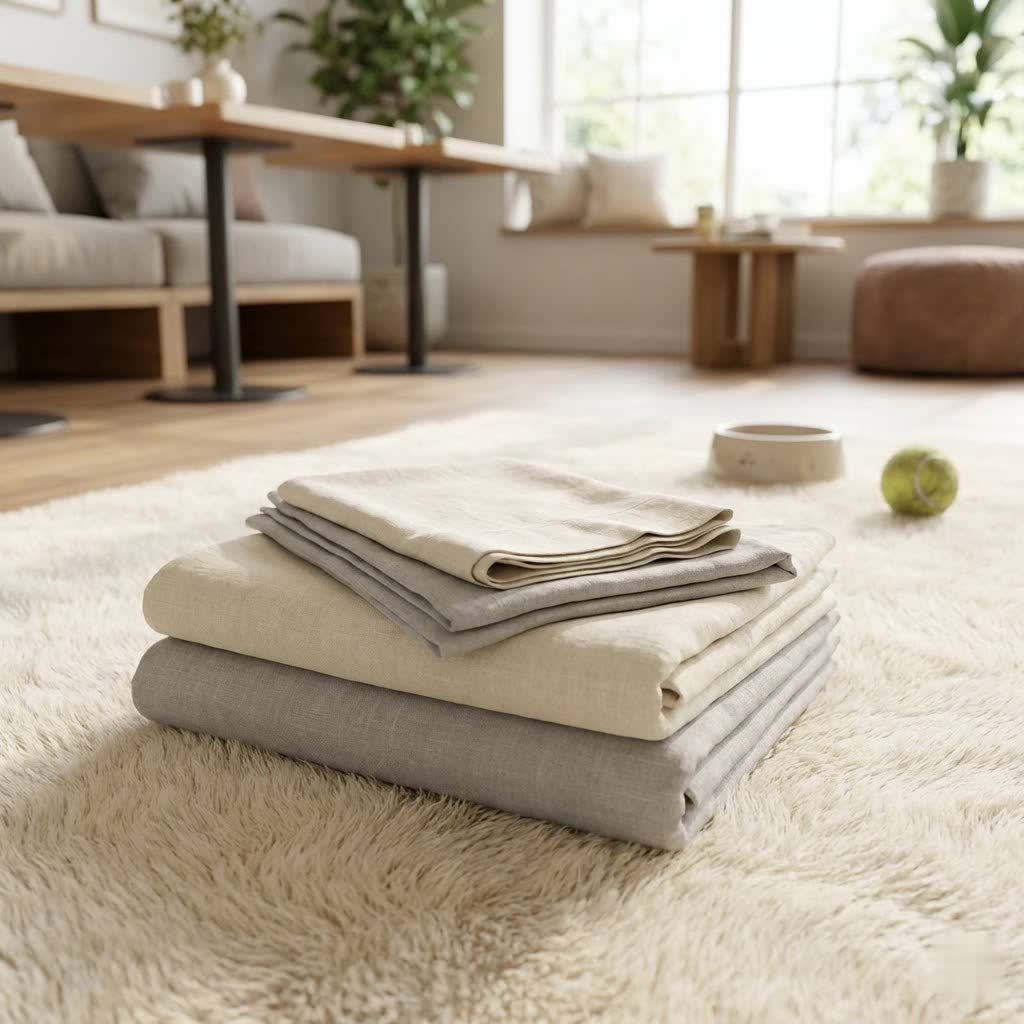
- Mention Bed Sheet Sets and their role in comfort, hygiene, and bedroom aesthetics.
- Briefly outline what the article will cover (materials, types, buying guide, care).
What is a Bed Sheet Set? Why Are They Important for Your Sleep?
|
Our Picks for the Best Bed Sheet in 2026
We may earn a commission when you use one of our links to make a purchase.
|
||
| Num | Product | Action |
|---|---|---|
| 1 | Amazon Basics Lightweight Super Soft Easy Care Wrinkle Free Microfiber 3 Piece Bed Sheet Set with 14-Inch Deep Pockets, Twin, Beige, Solid, Kids, Men & Women Bedding |

|
| 2 | Amazon Basics Lightweight Super Soft Easy Care Wrinkle Free Microfiber 3 Piece Bed Sheet Set with 14-Inch Deep Pockets, Twin, Dark Gray, Solid, Kids, Men & Women Bedding |
|
| 3 | Amazon Basics Lightweight Super Soft Easy Care Wrinkle Free Microfiber 3 Piece Bed Sheet Set with 14-Inch Deep Pockets, Twin, Aqua Squre Grid, Grid, Kids, Men & Women Bedding |
|
| 4 | Amazon Basics Lightweight Super Soft Easy Care Wrinkle Free Microfiber 3 Piece Bed Sheet Set with 14-Inch Deep Pockets, Twin, Blue Damask, Printed, Kids, Men & Women Bedding |
|
| 5 | Amazon Basics Lightweight Super Soft Easy Care Wrinkle Free Microfiber 3 Piece Bed Sheet Set with 14-Inch Deep Pockets, Twin, Aqua Fern, Floral, Kids, Men & Women Bedding |
|
| 6 | Amazon Basics 4 Piece Microfiber Lightweight Wrinkle-free Breathable Bed Sheet Set, Super Soft Easy Care, 14" Deep Pockets, Queen, Bright White, Solid |
|
| 7 | Utopia Bedding Queen Size Sheet Set – 4 Piece Bed Sheets, Soft and Breathable Microfiber, Includes 1 Fitted Sheet, 1 Flat Sheet and 2 Pillowcases – Oeko Tex (Grey) |
|
| 8 | Amazon Basics Lightweight Super Soft Easy Care Wrinkle Free Microfiber 3 Piece Bed Sheet Set with 14-Inch Deep Pockets, Twin, Black, Solid, Kids, Men & Women Bedding |
|
| 9 | Amazon Basics Lightweight Super Soft Easy Care Wrinkle Free Microfiber 3 Piece Bed Sheet Set with 14-Inch Deep Pockets, Twin, Navy Blue, Solid, Kids, Men & Women Bedding |
|
| 10 | Amazon Basics Lightweight Super Soft, Wrinkle-Free Luxury Microfiber 4 Piece Bed Sheet Set with 14-Inch Deep Pockets, Full, Dark Gray, Solid |
|
- Definition: Explain what a bed sheet set typically includes (fitted sheet, flat sheet, pillowcases).
- Importance: Discuss how quality sheets impact sleep comfort, skin health, hygiene (dust mites, allergens), and the overall look and feel of a bedroom.
Popular Bed Sheet Set Types Based on Material
- Cotton:
- Overview: Most popular, breathable, easy to wash, versatile.
- Egyptian Cotton: Longest fibers, extremely soft, durable, resistant to pilling, high quality.
- Pima/Supima Cotton: High-quality long-staple cotton, durable, soft, luxurious.
- Organic Cotton: Grown without harmful chemicals, good for allergies and eco-conscious.
- Percale: Crisp, cool, matte finish, durable, good for hot sleepers.
- Sateen: Soft, lustrous sheen, smooth drape, warmer than percale.
- Flannel: Warm, cozy, durable, ideal for cold climates/sleepers.
- Jersey: T-shirt like softness, knit (not woven), breathable, reasonably priced.
- Linen:
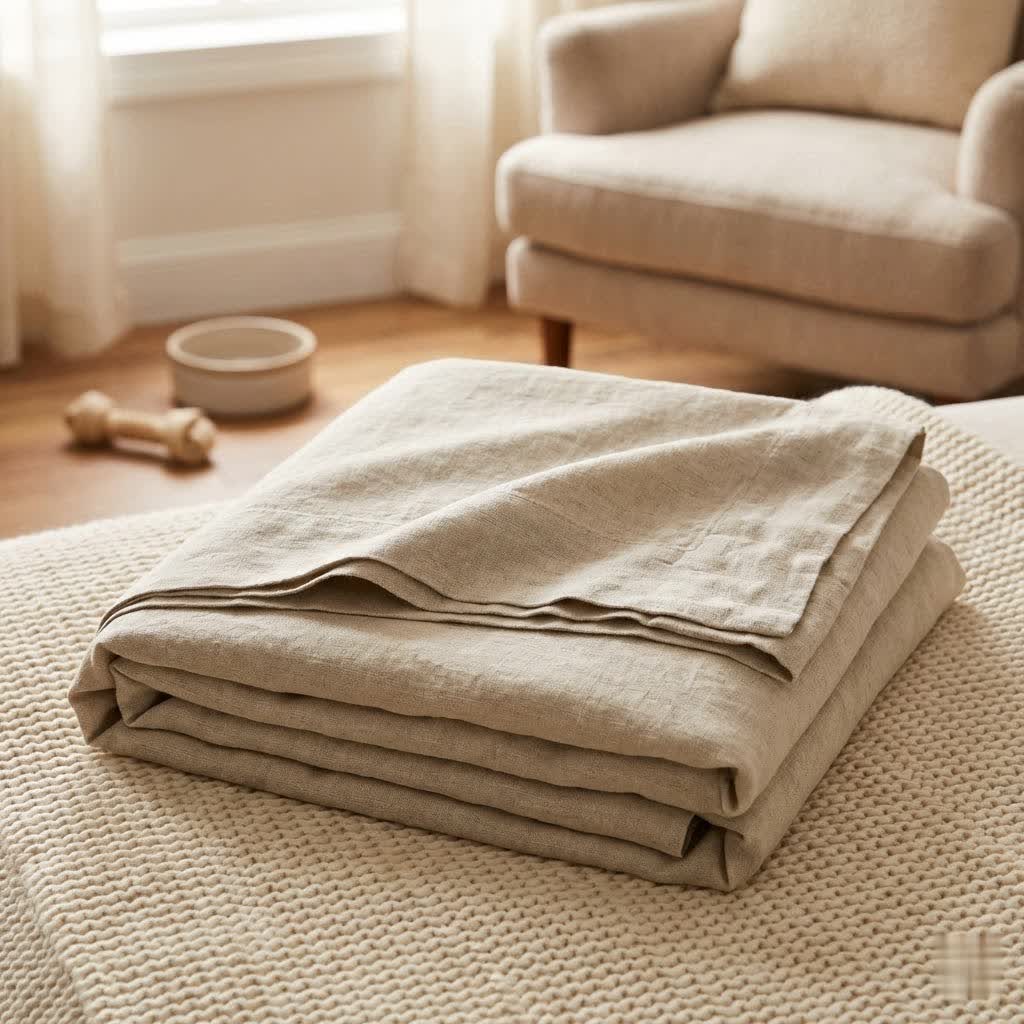
- Overview: Natural, lightweight, matte finish, durable, antimicrobial, moisture-wicking, softens with age, highly breathable, cooling.
- Care: Can be expensive, may feel crisp initially.
- Silk:
- Overview: Ultra-luxe, anti-friction (good for hair/skin), hypoallergenic, temperature-regulating.
- Care: Slippery, expensive.
- Bamboo (Viscose):
- Overview: Sustainable, soft, silky, breathable, moisture-wicking, pest-resistant, durable, hypoallergenic. Excellent for hot sleepers.
- Polyester & Microfiber:
- Overview: Affordable, wrinkle-resistant, durable, moisture-wicking (microfiber).
- Cons: Less breathable than natural fibers, can feel rough (pure polyester), not ideal for sensitive skin.
Understanding Bed Sheet Sizes and Weave Types
- Sizes: Single, Twin, Twin XL, Double, Full, Queen, King, California King, Super King, Split King. Emphasize measuring mattress depth.
- Weave Types (briefly, as some are covered under materials):
- Thread Count: Number of threads per square inch. Higher (200-800) generally means softer, more durable. Quality of yarn is paramount; inflated counts can be misleading.
- Percale: (already covered, reinforce crisp/cool)
- Sateen: (already covered, reinforce smooth/lustrous)
- Twill: Diagonal rib pattern, sturdy, often wrinkle-resistant.
Comprehensive Comparison: Choosing Your Ideal Bed Sheet Material
- Table comparing key materials (Cotton, Linen, Silk, Bamboo, Polyester/Microfiber) on criteria: Breathability, Softness, Durability, Warmth, Wrinkle Resistance, Price Range, Best for.
Your Ultimate Buying Guide to the Perfect Bed Sheet Set
- Determine Your Needs:
- Comfort Preference: Soft, crisp, silky?
- Climate & Sleeper Type: Hot sleeper (cooling, breathable), cold sleeper (warm, insulating)?
- Allergies/Sensitive Skin: Hypoallergenic, organic options.
- Budget: Affordable vs. luxury.
- Aesthetics: Color, pattern, how it fits your bedroom decor.
- Match Size and Mattress Depth: Crucial for a good fit.
- Prioritize Material Over Thread Count (Often): Focus on fiber quality and weave for true comfort and durability.
- Check Quality and Finish: Look for strong seams, no loose threads, smooth fabric.
- Brand Reputation & Reviews: Trusted brands often indicate better quality and customer service.
Top Bed Sheet Sets Loved by Sleepers
- Briefly mention categories like “Best Overall (e.g., bamboo for cooling/softness)”, “Best Luxury (e.g., high-quality silk/Egyptian cotton)”, “Best Budget”, “Best for Hot Sleepers”, “Best Organic”. I won’t list specific product names as per instruction not to link directly, but can mention characteristics.
How to Clean and Care for Your Bed Sheet Set Properly
- Wash Frequency: Every 1-2 weeks, more often for sweaty sleepers or allergies.
- Washing Instructions:
- Read care labels.
- Wash new sheets before use.
- Avoid overcrowding the washer.
- Use cool/warm water (hot can shrink/damage, but use for disinfecting).
- Mild detergent, avoid harsh chemicals/bleach (use non-chlorine for whites).
- Pre-treat stains.
- Wash similar colors/fabrics together, avoid washing with items with zippers.
- Drying Instructions:
- Tumble dry on low/medium heat.
- Remove promptly, slightly damp to prevent wrinkles.
- Line drying for freshness.
- Avoid dryer sheets (can weaken fibers).
- Storage:
- Fold neatly (can store matching sets in a pillowcase).
- Ensure completely dry to prevent mildew.
- Store in a cool, dry place.
(Conclusion)
- Recap the importance of a well-chosen bed sheet set.
- Reiterate key takeaways about material, comfort, and care.
- Call to Action: Encourage readers to upgrade their sleep experience.
- Open-ended question about their preferred sheet type.
Frequently Asked Questions
- What is the best bed sheet material for hot sleepers? (Bamboo, Percale Cotton, Linen)
- How often should I wash my bed sheets? (Every 1-2 weeks)
- Can high thread count sheets be bad? (Not necessarily bad, but quality of fiber and weave are more important than just a number).
- What does a bed sheet set usually include? (Fitted sheet, flat sheet, pillowcases).
- How do I make my bed sheets last longer? (Proper washing, drying, rotation, gentle detergents).
Confidence Score: 5/5 – I have enough information to write a comprehensive article following all guidelines.
Strategizing complete. I will now generate the article.