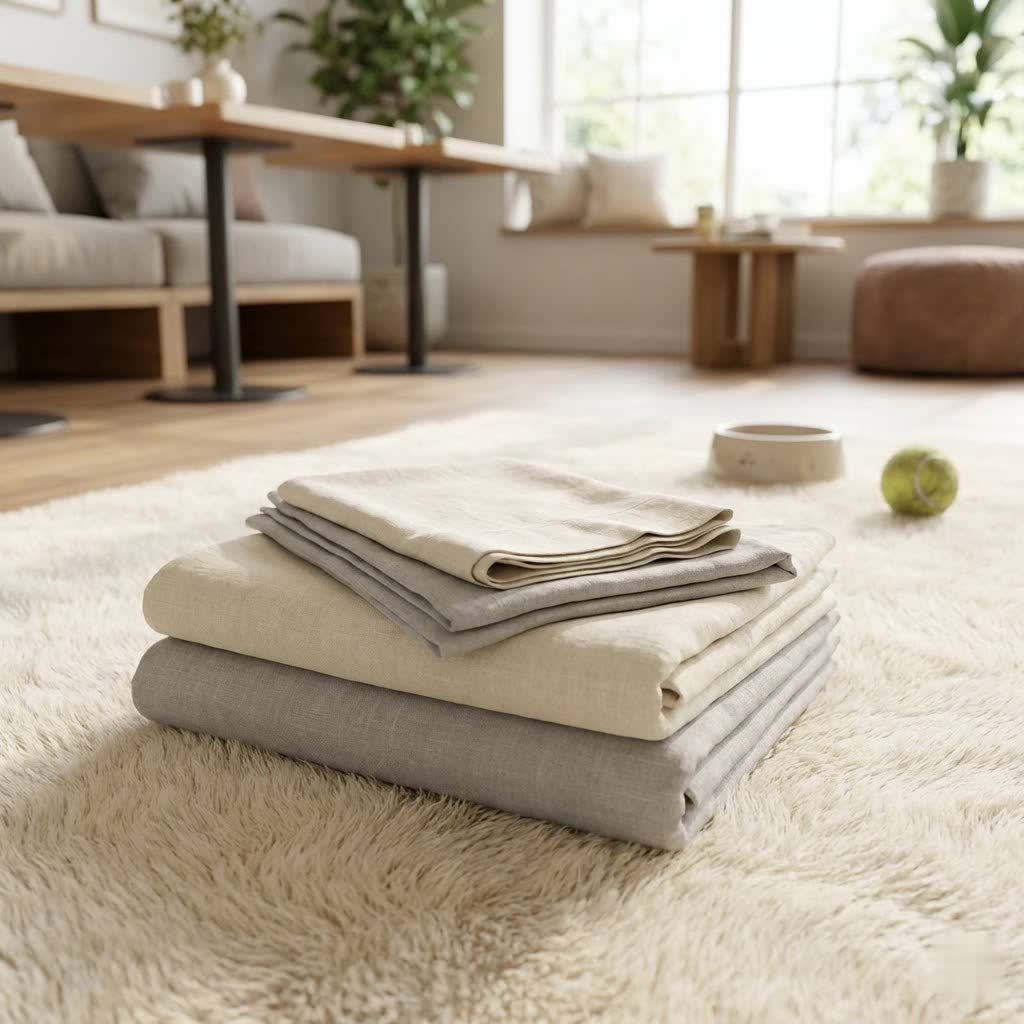
Have you ever experienced the frustration of a fitted sheet constantly popping off your mattress in the middle of the night? Or perhaps you’ve struggled with a sheet that feels too tight, making your queen bed an uncomfortable place rather than a sanctuary. Finding the perfect Queen Bed Fitted Sheet is more than just a matter of aesthetics; it’s about ensuring a secure, comfortable, and hygienic sleep environment. This comprehensive guide will walk you through everything you need to know, from understanding dimensions to selecting the ideal material, ensuring your queen bed fitted sheet stays put and provides the luxurious comfort you deserve for a restful night’s sleep.
What is a Queen Bed Fitted Sheet? Why Is It Important?
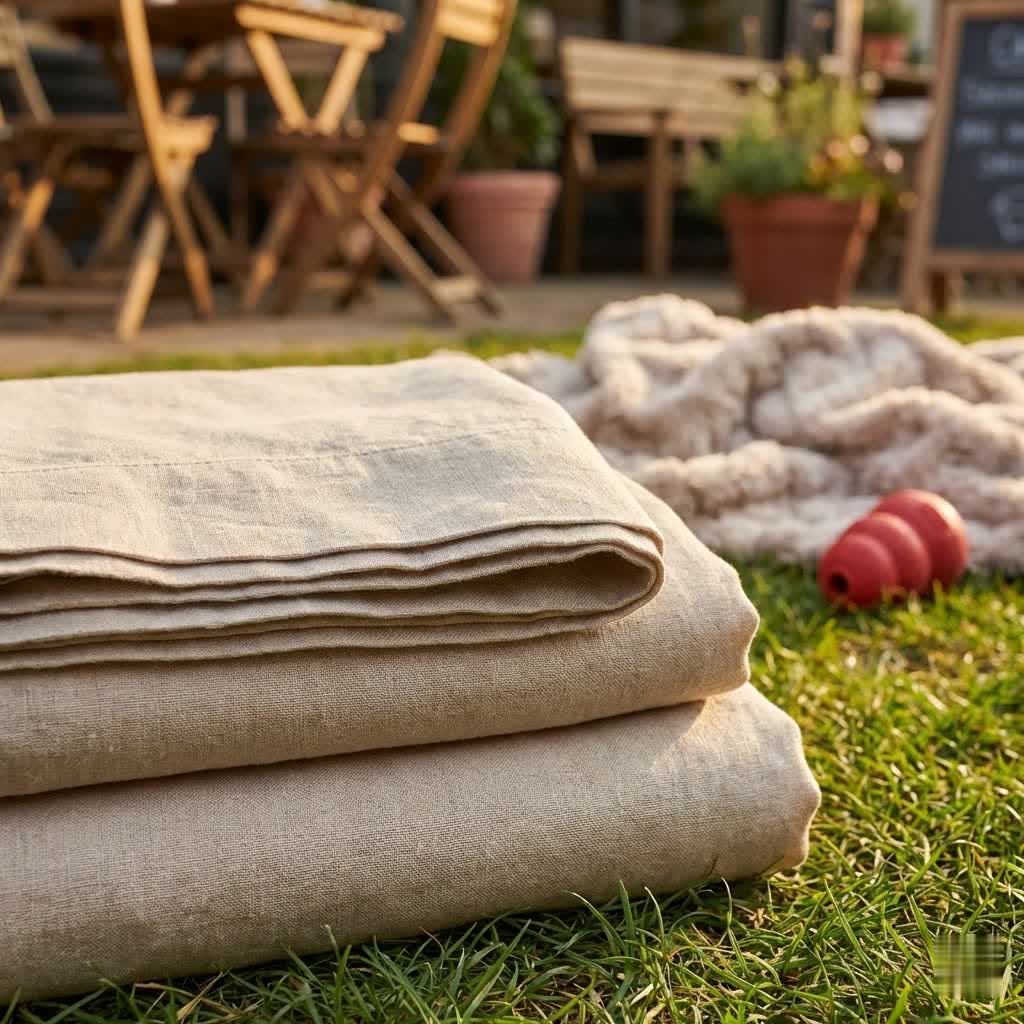
A queen bed fitted sheet is a crucial piece of bedding designed with elasticized corners to snugly wrap around your queen-sized mattress. Its primary function is to provide a smooth, clean surface for sleeping, protecting your mattress from daily wear, dirt, and allergens. Unlike a flat sheet that simply lays on top, the fitted sheet acts as the foundational layer, staying securely in place to prevent bunching and discomfort throughout the night.
The importance of choosing a quality queen bed fitted sheet extends beyond mere functionality. A well-fitting, high-quality sheet significantly impacts your sleep quality, skin health, and the overall aesthetic appeal of your bedroom. A breathable material can regulate temperature, preventing overheating or chills, while a soft fabric can soothe sensitive skin. Furthermore, a perfectly fitted sheet enhances the crisp, inviting look of a neatly made bed, transforming your bedroom into a serene retreat.
Popular Queen Bed Fitted Sheet Types on the Market
The world of queen bed fitted sheets offers a vast array of choices, primarily distinguished by their material, size specifications, and design. Understanding these variations is key to making an informed decision that suits your individual preferences and needs.
Classification by Material
The material of your queen bed fitted sheet dictates its feel, durability, breathability, and care requirements.
- Cotton: The most popular choice, renowned for its softness, breathability, and durability.
- Egyptian Cotton: Known for its extra-long fibers, resulting in exceptionally soft, strong, and lustrous sheets. It’s often more expensive but offers superior comfort and longevity.
- Pima Cotton: Similar to Egyptian cotton with long fibers, providing excellent softness and durability, commonly found in high-quality bedding.
- Upland Cotton: The most common type, with shorter fibers, offering good everyday comfort and affordability.
- Linen: Made from flax fibers, linen sheets are celebrated for their exceptional breathability, moisture-wicking properties, and rustic elegance. They become softer with each wash and are very durable, though they tend to wrinkle easily. Care often involves gentle washing and air drying.
- Silk: A luxurious and naturally hypoallergenic option, silk sheets are incredibly smooth, soft, and gentle on skin and hair. They are excellent at regulating temperature, keeping you cool in summer and warm in winter. However, silk is delicate, requires special care, and comes with a higher price tag.
- Polyester and Microfiber: These synthetic materials are known for their affordability, wrinkle resistance, and durability. Microfiber, a finely woven polyester, offers a soft feel, but both can be less breathable than natural fibers, potentially leading to overheating for some sleepers. They are generally easy to care for and resistant to shrinking.
- Bamboo: An eco-friendly alternative, bamboo sheets are exceptionally soft, smooth, and highly breathable. They naturally wick away moisture and possess hypoallergenic and antibacterial properties, making them an excellent choice for sensitive skin or those prone to allergies.
|
Our Picks for the Best Bed Sheet in 2026
We may earn a commission when you use one of our links to make a purchase.
|
||
| Num | Product | Action |
|---|---|---|
| 1 | Amazon Basics Lightweight Super Soft Easy Care Wrinkle Free Microfiber 3 Piece Bed Sheet Set with 14-Inch Deep Pockets, Twin, Navy Blue, Solid, Kids, Men & Women Bedding |

|
| 2 | Amazon Basics Lightweight Super Soft, Wrinkle-Free Luxury Microfiber 4 Piece Bed Sheet Set with 14-Inch Deep Pockets, Full, Dark Gray, Solid |
|
| 3 | Amazon Basics Lightweight Super Soft Easy Care Wrinkle Free Microfiber 3 Piece Bed Sheet Set with 14-Inch Deep Pockets, Twin, Dark Gray, Solid, Kids, Men & Women Bedding |
|
| 4 | Amazon Basics Lightweight Super Soft Easy Care Wrinkle Free Microfiber 3 Piece Bed Sheet Set with 14-Inch Deep Pockets, Twin, Black, Solid, Kids, Men & Women Bedding |
|
| 5 | Amazon Basics Lightweight Super Soft Easy Care Wrinkle Free Microfiber 3 Piece Bed Sheet Set with 14-Inch Deep Pockets, Twin, Blue Damask, Printed, Kids, Men & Women Bedding |
|
| 6 | Utopia Bedding Queen Size Sheet Set – 4 Piece Bed Sheets, Soft and Breathable Microfiber, Includes 1 Fitted Sheet, 1 Flat Sheet and 2 Pillowcases – Oeko Tex (Grey) |
|
| 7 | Amazon Basics Lightweight Super Soft Easy Care Wrinkle Free Microfiber 3 Piece Bed Sheet Set with 14-Inch Deep Pockets, Twin, Aqua Squre Grid, Grid, Kids, Men & Women Bedding |
|
| 8 | Amazon Basics Lightweight Super Soft Easy Care Wrinkle Free Microfiber 3 Piece Bed Sheet Set with 14-Inch Deep Pockets, Twin, Aqua Fern, Floral, Kids, Men & Women Bedding |
|
| 9 | Amazon Basics Lightweight Super Soft Easy Care Wrinkle Free Microfiber 3 Piece Bed Sheet Set with 14-Inch Deep Pockets, Twin, Beige, Solid, Kids, Men & Women Bedding |
|
| 10 | Amazon Basics 4 Piece Microfiber Lightweight Wrinkle-free Breathable Bed Sheet Set, Super Soft Easy Care, 14" Deep Pockets, Queen, Bright White, Solid |
|
Classification by Size
While all queen bed fitted sheets are designed for a queen mattress, which typically measures 60 inches wide by 80 inches long (approximately 152.5 x 203 cm), the critical “size” factor beyond these core dimensions is the pocket depth.
- Fitted Sheet Pocket Depth: Modern mattresses vary significantly in thickness due to pillow tops, memory foam layers, or mattress toppers.
- Standard Pocket: Designed for mattresses typically up to 12-14 inches deep.
- Deep Pocket: Suitable for mattresses ranging from 15 to 17 inches deep.
- Extra Deep Pocket: Accommodates thicker mattresses, often 18 to 25 inches deep, ensuring a secure fit that won’t ride up.
It’s vital to measure your mattress’s total height, including any toppers, to choose the correct pocket depth.
Classification by Style
When discussing queen bed fitted sheets, the “style” primarily refers to its function within a complete bedding set.
- Fitted Sheet: This is the elasticized sheet that encases the mattress, providing a smooth sleeping surface and mattress protection.
- Flat Sheet (Top Sheet): While not a fitted sheet, it’s often included in a set and designed to lay on top of the fitted sheet, providing an additional layer of comfort and warmth.
- Pillowcase: Covers for pillows, usually matching the fitted sheet and included in a sheet set.
Detailed Comparison Table of Queen Bed Fitted Sheets
Choosing the best queen bed fitted sheet means weighing various factors. This table compares common materials based on key criteria:
| Feature | Cotton | Linen | Silk | Polyester/Microfiber | Bamboo |
|---|---|---|---|---|---|
| Breathability | Excellent | Excellent | Good | Fair | Excellent |
| Softness | Very Soft | Becomes softer with age | Exceptionally Smooth | Soft | Very Soft, Silky |
| Durability | High | Very High | Moderate | High | High |
| Wrinkle Resistance | Low (can wrinkle) | Low (wrinkles naturally) | Moderate | High | Moderate |
| Price Range | Mid-range to High | Mid-range to High | High | Low | Mid-range to High |
| Care | Machine wash, Tumble dry | Machine wash, Air dry preferred | Hand wash or Delicate cycle, Air dry | Machine wash, Tumble dry | Machine wash cold, Tumble dry low |
Guide to Choosing the Right Queen Bed Fitted Sheet
Selecting the perfect queen bed fitted sheet requires a thoughtful approach, considering your personal needs, preferences, and the specifics of your mattress.
Determine Your Usage Needs
Before diving into materials and sizes, consider what you prioritize most in your bedding. Do you seek ultimate comfort and luxury, or is durability and easy maintenance your top concern? Are you working with a strict budget? If you have sensitive skin or allergies, hypoallergenic materials like silk or bamboo might be paramount. Furthermore, your local climate plays a role: breathable fabrics are ideal for warmer regions, while slightly heavier materials can be cozy in cooler temperatures.
Choose the Right Material
Based on your needs, select a material that aligns with your priorities. For instance, if you prioritize breathability and softness, high-quality cotton or bamboo are excellent choices. If you want something incredibly luxurious and gentle on skin, silk is unparalleled. For budget-friendliness and wrinkle resistance, microfiber might be suitable. Always consider the material’s ability to wick away moisture and promote airflow, especially if you tend to sleep hot.
Choose the Right Size
Accurate measurements are non-negotiable for a well-fitting queen bed fitted sheet. First, measure the width (60 inches) and length (80 inches) of your queen mattress. Most crucially, measure the depth of your mattress from its base to its highest point, including any mattress toppers or protectors you use. Add an extra 2-3 inches to this depth measurement for comfortable tucking. This total depth will guide you in choosing the correct pocket depth (standard, deep, or extra deep) for your fitted sheet. Assuming all queen sheets fit all queen mattresses is a common mistake; mattress thickness varies significantly, and an ill-fitting sheet will either pop off or bunch up uncomfortably.
Check Stitching and Finish Quality
A high-quality queen bed fitted sheet isn’t just about the fabric; it’s also about the construction. Inspect the seams to ensure they are strong, even, and free of loose threads. The elastic around the edges should be robust and fully encased, providing a secure grip on the mattress. A well-made sheet will have a smooth, consistent fabric surface without any visible flaws or snags. These details contribute significantly to the sheet’s durability and overall performance.
Consider Brand and Reputation
When investing in bedding, opting for reputable brands is often a wise decision. Established brands typically adhere to higher manufacturing standards and offer better quality control. Take the time to read user reviews and testimonials. Real-world experiences from other customers can provide valuable insights into the sheet’s actual comfort, fit, durability, and how it holds up after washing.
How to Clean and Maintain Your Queen Bed Fitted Sheet Properly
Proper care and maintenance are essential for extending the life and preserving the quality of your queen bed fitted sheet. Following the manufacturer’s care instructions is always recommended, but here are some general guidelines:
- Washing: Most cotton, linen, bamboo, and microfiber sheets can be machine washed. Use a gentle cycle with cold or warm water. Hot water can cause shrinkage, especially with natural fibers. Avoid overloading the washing machine, as this can prevent thorough cleaning and cause excessive wear.
- Detergent: Use a mild detergent. Avoid harsh chemicals, bleach, or fabric softeners, as these can break down fibers over time and reduce the material’s natural properties, such as breathability.
- Drying: Tumble dry on a low heat setting or, even better, air dry your sheets when possible. High heat can damage fibers and lead to shrinkage. Remove sheets promptly from the dryer to minimize wrinkles. For linen, air drying can help maintain its natural texture.
- Ironing: If desired, iron sheets on a low-to-medium heat setting. Some materials like linen will naturally wrinkle, and many prefer this look. Silk typically requires a very low heat or steam ironing.
- Storage: When not in use, store your clean, dry queen bed fitted sheets in a cool, dry place. Folding them neatly can prevent excessive wrinkling and keep your linen closet organized.
“A well-chosen fitted sheet can be the unsung hero of your bedroom, quietly delivering comfort and extending the life of your mattress. It’s an investment in your nightly well-being.”
Conclusion
Choosing the ideal queen bed fitted sheet is a small decision with a significant impact on your daily life, transforming your bed into a haven of comfort and style. By understanding the crucial role of pocket depth, exploring the unique characteristics of different materials like breathable cotton or luxurious silk, and committing to proper care, you can ensure your sheets enhance your sleep quality for years to come. Remember, a perfectly fitted sheet offers not just aesthetic appeal, but also unparalleled comfort and peace of mind, allowing you to drift into a deep, restorative sleep.
What steps will you take today to upgrade your queen bed fitted sheet experience?
Frequently Asked Questions
Which queen bed fitted sheet material is best for hot and humid summers?
For hot and humid summers, highly breathable and moisture-wicking materials are ideal. Bamboo, linen, and high-quality cotton (like Egyptian or Pima) are excellent choices. These fabrics allow air to circulate freely and draw moisture away from your body, helping you stay cool and dry throughout the night, preventing overheating and discomfort.
How often should I wash my queen bed fitted sheet?
It is generally recommended to wash your queen bed fitted sheet at least once a week. This frequency helps to remove accumulated sweat, dead skin cells, dust mites, and allergens, promoting a clean and hygienic sleep environment. If you have allergies, sensitive skin, or pets that sleep on the bed, you might consider washing them more frequently, perhaps twice a week.
How can I remove stubborn stains from my queen bed fitted sheet?
To remove stubborn stains, act quickly. First, gently blot the stain (do not rub) to absorb as much as possible. Then, pre-treat the stain with a dedicated stain remover or a mixture of laundry detergent and water, allowing it to sit for 15-30 minutes. For tougher stains, a paste of baking soda and water or a diluted white vinegar solution can also be effective. After pre-treating, wash the sheet as usual, checking if the stain is gone before drying, as heat can set stains.